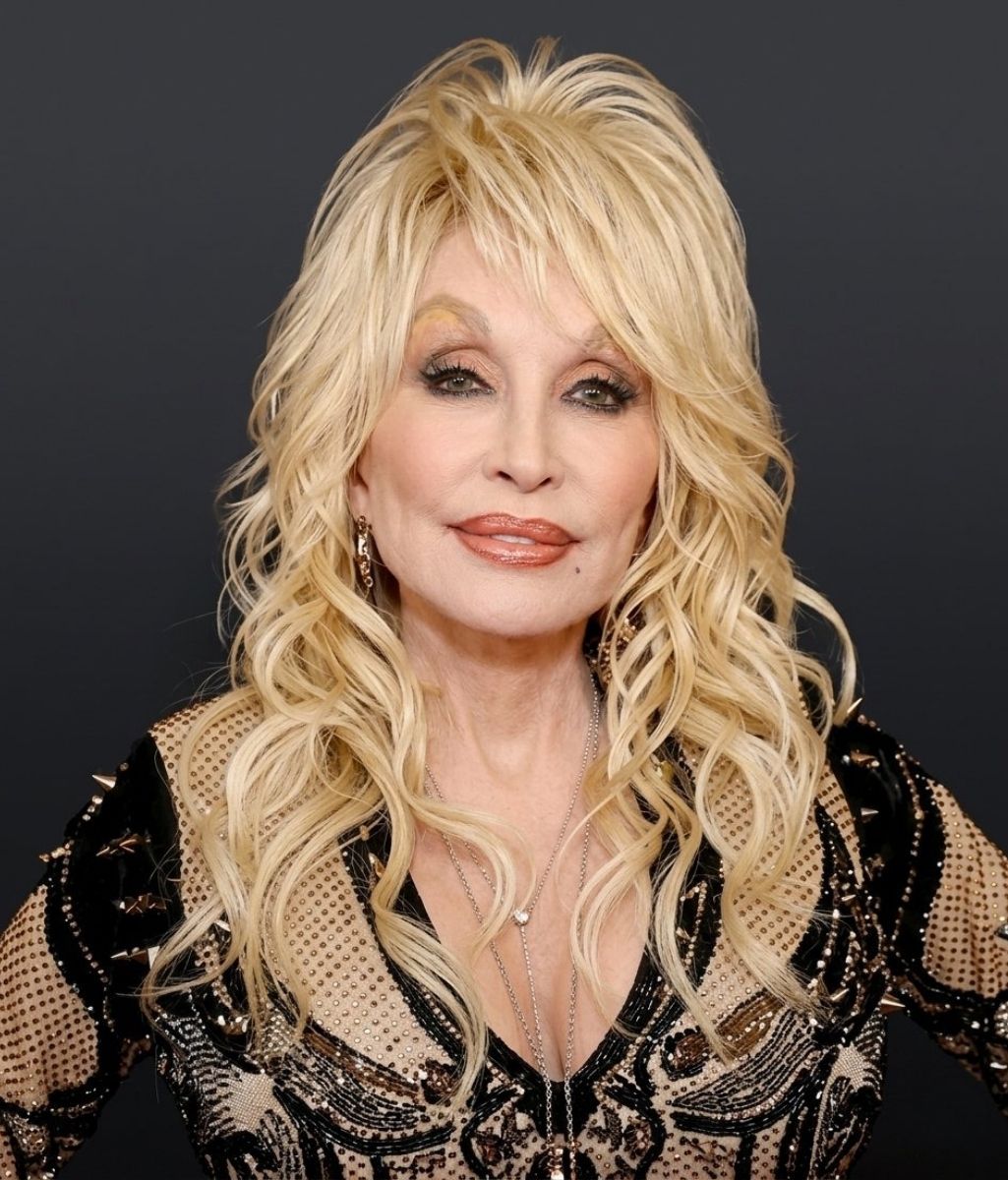
Long before “I Will Always Love You” became one of the most recognizable songs in the world, it began as something deeply personal for Dolly Parton. The song was not originally written as a grand declaration of romance, nor was it created with the expectation that generations of singers would one day make it their own. Instead, Dolly wrote it during a turning point in her career, when she was trying to find the right words to say goodbye to the man who had helped open one of the most important doors of her life: Porter Wagoner.
By the early 1970s, Dolly had spent roughly seven years working alongside Porter on The Porter Wagoner Show. Their partnership had helped introduce her to a much larger country audience, and together they became one of Nashville’s best-known musical teams. Porter had given Dolly a valuable platform when she was still building her career, but as the years passed, her ambitions continued to grow. Dolly wanted the freedom to pursue her own music, make independent decisions, and discover how far she could go as a solo artist.
Leaving, however, was not simple. Their professional relationship had become complicated, and Dolly later recalled that tension grew as she tried to move forward on her own. She appreciated what Porter had done for her, but she also understood that remaining in the partnership indefinitely could prevent her from following the path she believed was waiting for her. She needed to leave without pretending that the years they had spent together meant nothing, and that emotional conflict became the foundation for “I Will Always Love You.”
Instead of attempting to explain everything through another difficult conversation, Dolly did what she understood best: she wrote a song. The message was remarkably simple. She could leave while still feeling gratitude. She could move forward without denying the importance of the past. Most importantly, saying goodbye did not require anger or bitterness. Dolly later explained that the song was essentially her way of telling Porter that she appreciated him and hoped the best for him, even though she knew it was time for her to go.
When Dolly finally played the song for Porter, his reaction told her that the message had reached him. According to Dolly’s own account, Porter began to cry after hearing it. He called it one of the most beautiful songs he had ever heard and agreed that she could leave the partnership, with one memorable condition: he wanted to produce the record. For all the disagreements that had surrounded her departure, the song accomplished something ordinary words apparently could not. It gave both of them a way to acknowledge that an important chapter was ending without erasing what had come before.
Dolly recorded “I Will Always Love You” for her 1974 album Jolene, and the song soon became a major country hit. Her original recording reached No. 1 on the country chart, establishing the song as an important success long before its later pop-culture transformation. Remarkably, Dolly would take the song to No. 1 on the country chart again with a new recording in 1982, demonstrating just how enduring the composition had already become within her own career. sive drama. The emotion comes from the acceptance in her delivery. She sounds like someone who understands that leaving can hurt even when leaving is the right decision. That emotional maturity is one reason the song has survived far beyond the circumstances that inspired it. Listeners do not need to know anything about Porter Wagoner to recognize the feeling of caring deeply about someone or something while understanding that a chapter has reached its end.
Years later, another remarkable chapter nearly entered the song’s history when Elvis Presley expressed interest in recording it. Dolly was thrilled by the possibility. Elvis was one of the biggest stars in music, and hearing him sing one of her compositions would have been an extraordinary honor. But before the recording could happen, Dolly said Elvis’s manager, Colonel Tom Parker, wanted a substantial share of the song’s publishing rights as part of the arrangement. Dolly refused to surrender half of the publishing, and Elvis ultimately never recorded the song.
That decision became one of the most famous business choices of Dolly’s career. At the time, turning down an opportunity connected to Elvis Presley must have been enormously difficult, but Dolly understood the long-term value of her songwriting. She had written “I Will Always Love You,” and she believed strongly enough in her ownership of the composition to protect it, even when one of the most famous entertainers in history wanted to sing it. Decades later, the importance of that decision became even clearer.
Then came Whitney Houston.
For the 1992 film The Bodyguard, Kevin Costner pushed for Houston to record “I Will Always Love You,” and her interpretation transformed the song for an entirely new generation. Houston’s version began with the now-famous unaccompanied opening before expanding into a towering vocal performance, turning Dolly’s intimate country farewell into a worldwide pop phenomenon. The Library of Congress notes that Houston’s recording spent 14 weeks at No. 1, while the composition itself went on to inspire more than 100 recorded versions after the success of The Bodyguard.
Yet the extraordinary success of Whitney Houston’s recording never erased Dolly’s original story. If anything, it revealed how strong the song had always been. A composition written to help one woman leave a professional partnership could survive a completely different arrangement, a different singer, a different decade, and even a different musical genre because the emotional truth at its center remained universal.
That may be the greatest achievement of “I Will Always Love You.” The song is ultimately about knowing when to leave while refusing to turn gratitude into resentment. It recognizes that endings do not always mean failure and that sometimes the most respectful thing one person can do is allow both sides to move forward.
For Dolly Parton, the song marked the beginning of a new chapter. Leaving Porter Wagoner allowed her to build the independent career she had imagined for herself, and the years that followed established her as far more than a television duet partner. She became a major songwriter, recording artist, entertainer, and cultural figure whose work would reach audiences far beyond traditional country music.
And through all of that success, “I Will Always Love You” remained with her.
It began as a difficult goodbye between two people whose careers had become deeply connected. It became a country classic, survived an opportunity with Elvis Presley, returned to the charts in Dolly’s own voice, and eventually became a global phenomenon through Whitney Houston.
But underneath all of those extraordinary chapters, the heart of the song never really changed.
Dolly Parton simply needed to say goodbye without forgetting to say thank you — and somehow, that private farewell became a song the entire world could understand.