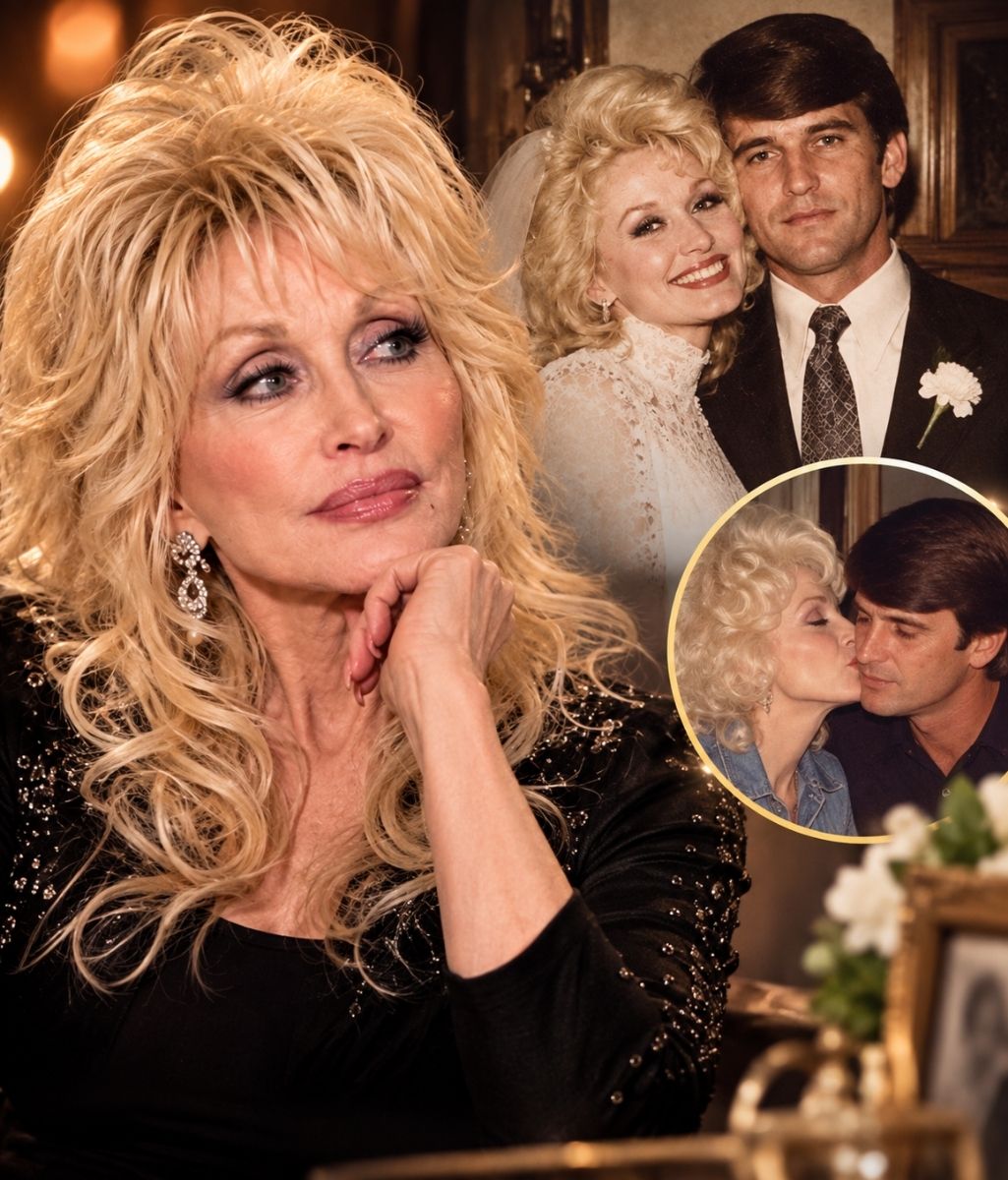
For nearly six decades, people kept asking Dolly Parton essentially the same question about Carl Dean: How did one of the most famous women in America stay married to a man who wanted almost nothing to do with fame?
Carl rarely appeared beside her at awards shows. He avoided interviews, stayed away from red carpets, and built a life so private that many fans wondered how the marriage could possibly work. Yet Dolly never seemed confused by it. If anything, she repeatedly suggested that the very thing outsiders found strange was one of the reasons their relationship survived.
They were not trying to live the same life.
And they never needed to.
Dolly met Carl in Nashville in 1964, shortly after arriving in the city to pursue music. They married on May 30, 1966, in a small ceremony and remained together until Carl’s death in March 2025 at age 82. Their marriage lasted more than 58 years.
From the beginning, Carl understood what Dolly had come to Nashville to do.
She later said that he never tried to make her abandon her ambitions. The morning after their wedding, Dolly was already getting up early for a radio appearance, and their honeymoon was delayed because she had professional commitments. According to Dolly, Carl accepted that music was not simply a hobby she could put aside. It was the life she had come there to build.
Carl wanted something very different.
After attending an industry event early in their marriage, he reportedly made it clear that he loved Dolly and would support her career, but he had no intention of spending his life attending show-business “wingdings.” Rather than trying to change him, Dolly accepted the boundary.
As her fame exploded, Carl moved even further away from the spotlight.
Dolly explained that once photographers and interviewers started following him, he would lose the freedom to visit auto-parts stores, attend ballgames, or simply move through ordinary life unnoticed. She understood that fame had already changed her own freedom, and she did not believe Carl should have to give up his.
That decision created decades of speculation.
Because Carl was rarely photographed, some people assumed he must have been distant from Dolly. Others wondered whether their marriage existed mostly on paper. Rumors followed them simply because the public could not see the relationship.
Dolly’s explanation remained remarkably consistent.
Carl was private.
She loved him enough to let him stay that way.
She once described him as someone who did not want to be “thrown out there,” adding that she had always respected his privacy. For a woman whose face, voice, clothes, business ventures, songs, and personality were known around the world, protecting something from the public may have been especially important.
Their differences also gave them room to remain individuals.
Dolly once said that she and Carl were “completely opposite,” but believed that was part of what made their relationship enjoyable. She traveled constantly, performed for enormous audiences, and lived inside the entertainment business. Carl preferred home, his own work, and ordinary routines.
Even their musical tastes did not completely overlap. Dolly joked that Carl preferred hard rock, Led Zeppelin and bluegrass and did not exactly spend his days playing her records.
For some couples, those differences might have created distance.
For Dolly and Carl, they created breathing room.
She believed that time apart could actually help their marriage because neither person had to be constantly in the other’s space. When Dolly returned from work, they had things to tell each other. He wanted to hear about her world, and she wanted to hear about his.
But perhaps the most revealing details came from the ordinary moments they protected.
Dolly later described how she and Carl enjoyed simple riverbank picnics, RV trips and quiet meals together. She would cook food he loved, and sometimes they would bring out the good china simply to make an ordinary dinner feel special. Carl gave her seasonal flowers and handwritten poems. These were not grand celebrity gestures designed for photographs. Most of them happened where nobody else could see them.
That may be the part fans misunderstood for years.
Carl’s absence from Dolly’s public life did not necessarily mean he was absent from Dolly’s life.
It may have meant exactly the opposite.
He occupied the part of it she protected most carefully.
When Carl died in 2025, Dolly’s public statement made the depth of that bond unmistakable. She wrote that words could not adequately describe the love they had shared over more than six decades.
Only after losing him did some of her older comments begin to sound different.
The jokes about Carl avoiding award shows no longer seemed like amusing stories about an eccentric husband.
The insistence on protecting his privacy no longer looked mysterious.
The long separations no longer seemed like evidence that they lived separate emotional lives.
Instead, a clearer picture emerged.
Carl gave Dolly something fame could never provide.
Normalcy.
He had known her before the wigs became iconic, before Dollywood, before movie premieres, Grammy Awards and international fame. He did not need the public version of Dolly Parton because he had a relationship with the woman underneath it.
And Dolly never demanded that he become a celebrity just because she became one.
That mutual freedom may have been their real secret.
Not constant togetherness.
Not perfection.
Not a marriage without differences.
It was respect.
Dolly was free to become as big as her dreams required.
Carl was free to remain the man he had always been.
And when they came back together, they had a private world that belonged almost entirely to them.
For 58 years, fans kept wondering why Dolly Parton never walked away from a man who seemed so different from her.
The answer may have been hidden in plain sight.
She did not love Carl despite the fact that he stayed outside the spotlight.
She loved the life they were able to build because he did.