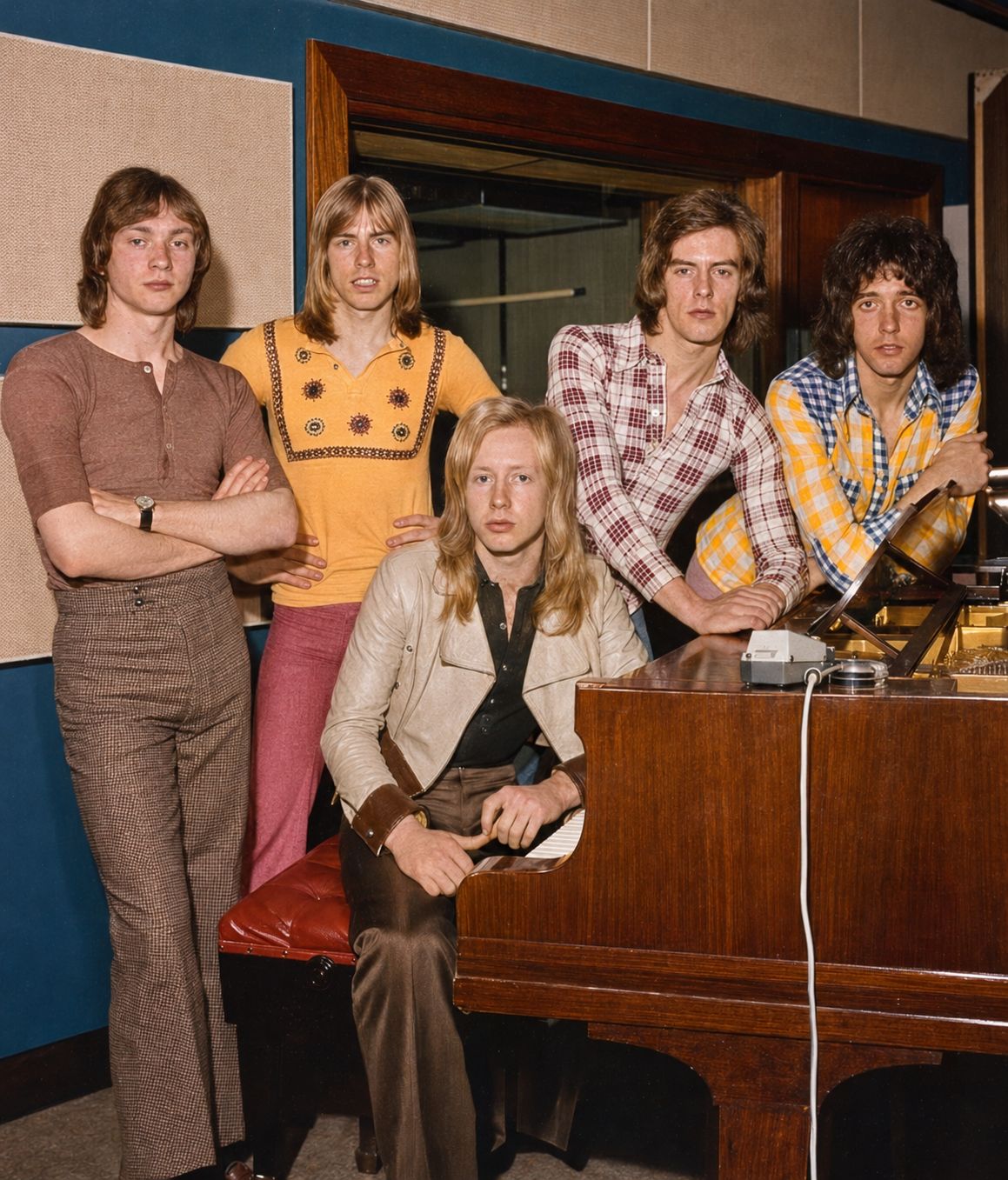
At the height of Rollermania, the Bay City Rollers looked like five young men who had won the world.
Their faces covered teenage magazines, their tartan clothes became an international craze, and their concerts were surrounded by screaming fans who followed them with a devotion few bands have ever experienced. Songs such as “Saturday Night,” “Bye Bye Baby,” “Shang-a-Lang” and “Give a Little Love” helped turn the Scottish group into one of the biggest pop phenomena of the 1970s.
From the outside, it looked like unimaginable success.
Millions of records were being sold. Concert tickets disappeared quickly. Merchandise carrying the Rollers’ image was everywhere. The band became a global brand capable of generating enormous amounts of money.
Yet decades later, several members would describe a very different reality.
Despite the scale of the success surrounding them, they did not feel that the fortune being created was reaching the young men whose faces and voices were driving the phenomenon.
Former frontman Les McKeown later remembered asking a painful question: where were the millions everyone assumed the band had earned?
For years, that question remained unanswered.
The Bay City Rollers were estimated to have sold around 120 million records worldwide, but former members later fought lengthy legal battles over royalties they believed had never been properly paid. By the time some of those disputes reached court, the glamorous image of the 1970s had already disappeared.
What remained was bitterness.
The money was only part of the story.
Several former members later spoke about how difficult life inside the Bay City Rollers had actually been. They were young, famous almost overnight and surrounded by adults who controlled much of their professional world. Behind the cheerful photographs and carefully constructed image, they described pressure, manipulation and a loss of control that followed some of them long after Rollermania ended.
Their former manager Tam Paton became one of the darkest figures connected to that history.
Paton was later convicted of sexual offences involving teenage boys, while former members and others subsequently made allegations about abuse and exploitation surrounding the band’s early years. The stories that emerged decades later painted a disturbing contrast with the innocent image sold to millions of teenage fans.
For some members, the emotional consequences did not disappear when the screaming stopped.
There were struggles with addiction, damaged relationships and resentment over what had happened during the years when the world believed they were living every young musician’s dream.
That is what makes the story so heartbreaking.
The Bay City Rollers were successful enough to create an international frenzy, sell tens of millions of records and generate huge sums through music, touring and merchandise.
Yet the men at the center of it did not simply walk away as carefree millionaires.
Some spent decades fighting over money.
Some carried painful memories of the people who had controlled their careers.
Some struggled to rebuild ordinary lives after fame disappeared almost as quickly as it had arrived.
And by the time the full story began emerging, much of the damage had already been done.
The old photographs still show smiling young men surrounded by tartan and screaming fans, but knowing what happened behind those smiles changes the way those images feel.
The Bay City Rollers helped create one of the most profitable and unforgettable pop crazes of the 1970s, yet several of the young men who made Rollermania possible walked away with far less than the world imagined — and with wounds that money could never have repaired.