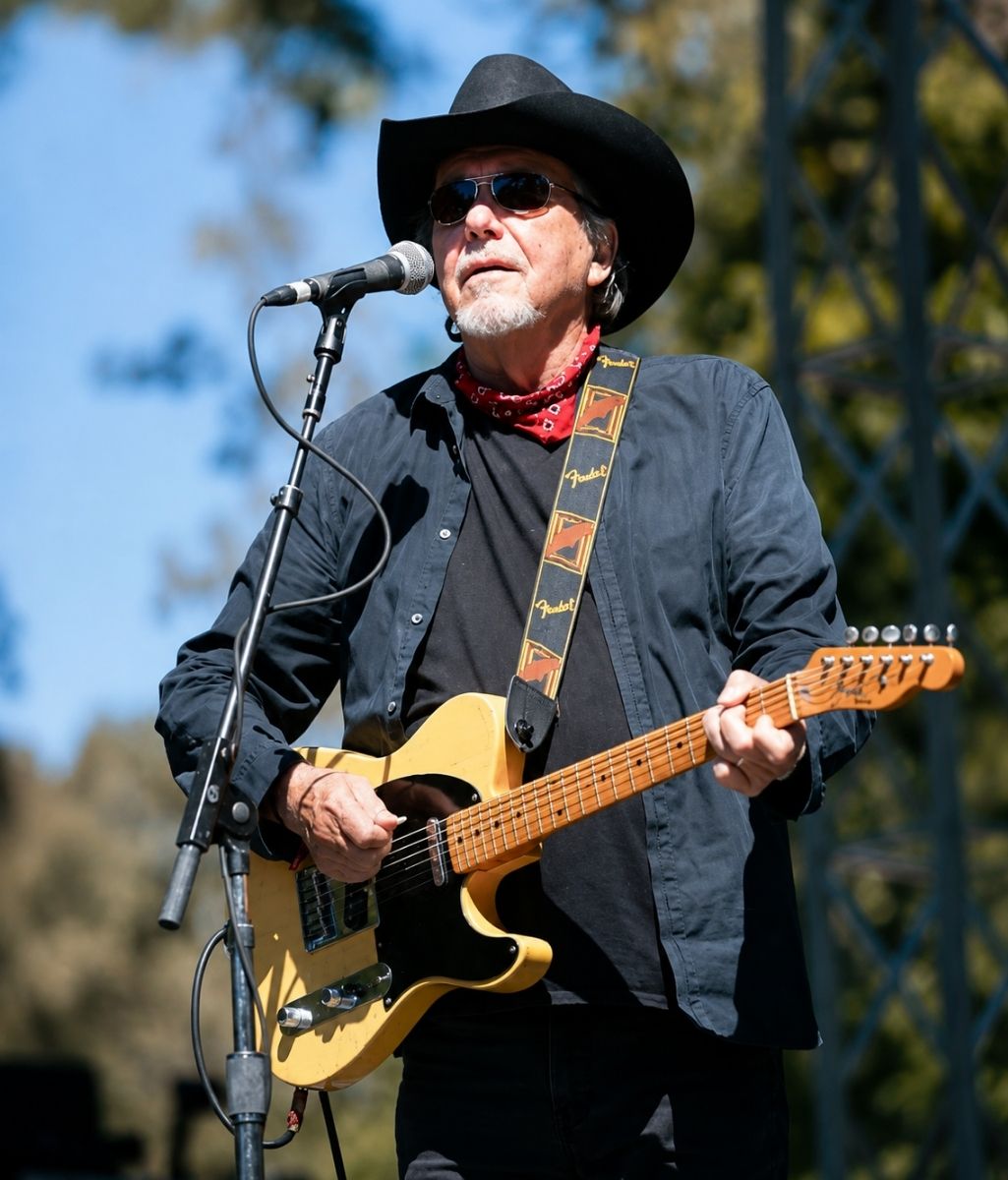
Before the awards, the legendary albums, and the recognition that would follow, Bobby Bare gave country music one of its most enduring portraits of distance, loneliness, pride, and the quiet desire to return home.
In 1963, Bobby Bare released a song that captured one of the most universal emotions in human life: the ache of being far away from home. “500 Miles Away from Home” quickly became one of the defining recordings of his early career, reaching the Top 10 on the Billboard Hot 100, the Top 5 on the Country chart, and the Top 5 on the Adult Contemporary chart. Those achievements proved that the song could reach far beyond one musical audience, but its real success was never measured only by numbers. It found its way into the lives of people who had left familiar places behind, whether for work, military service, opportunity, necessity, or circumstances they never expected. For many listeners, the song did not feel like entertainment. It felt like recognition.
The story at the center of the song is simple, but its emotional weight is enormous. A man is hundreds of miles from home, with little money and no clear way back. He is not merely separated from the people he loves by geography. He is also separated by shame, pride, and the belief that he has failed. That is what makes the song more powerful than an ordinary tale of travel. The distance is not only measured in miles. It is measured in regret. The man longs to return, yet he cannot bring himself to face the people waiting for him. He is caught between the comfort of home and the fear that he no longer deserves it.
Rather than begging the listener for sympathy, the song allows the loneliness to speak quietly. There is no grand speech, no dramatic declaration, and no attempt to turn suffering into spectacle. Instead, the words create the image of someone moving farther away while carrying home in his heart. During the folk revival era, the song was often described as “a reflection of loneliness,” and that phrase captures the emotional center of the recording. The man in the story is surrounded by distance, but the deeper pain comes from feeling disconnected from the people and place that once gave his life meaning.
What made Bobby Bare’s version unforgettable was the sincerity of his performance. His voice did not sound polished for the sake of perfection. It carried weariness, restraint, and the quiet dignity of someone trying not to reveal how much he was hurting. Bare did not simply sing about homesickness; he made listeners feel the weight of every mile. His delivery suggested that the narrator was not telling a fictional story but admitting something he had struggled to say aloud. There was no need for excessive vocal drama because the emotion already lived inside the words.
That ability became one of Bobby Bare’s greatest strengths throughout his career. He understood that country music was most powerful when it sounded like truth being spoken by an ordinary person. His voice could bring humor to unusual characters, tenderness to family stories, and sorrow to songs about loss and regret. In “500 Miles Away from Home,” he found the perfect balance between control and vulnerability. He never overwhelmed the song. Instead, he allowed the silence between the lines, the steady rhythm, and the loneliness in his phrasing to carry the story forward.
The recording also arrived at a moment when folk and country music were meeting in new and important ways. Songs about travel, separation, trains, roads, and distant homes had long existed in American music, but Bobby Bare gave this familiar theme a deeply personal country voice. His interpretation helped remind listeners that country music did not need elaborate arrangements or complicated language to tell a powerful story. Sometimes one man, one melody, and one honest emotion were enough.
PBS later praised Bare’s heartfelt performance, observing that his interpretation gave “500 Miles Away from Home” renewed emotional life while contributing to the revival of country music’s storytelling tradition. That recognition points to something larger than the success of one recording. Bobby Bare became part of a generation of performers who understood that songs were not merely vehicles for displaying a singer’s voice. They were stories meant to be carried from one life into another. The singer’s responsibility was to make the listener believe that the experience inside the song was real.
More than sixty years later, “500 Miles Away from Home” still resonates because the emotions within it have not changed. People continue to leave home in search of work, safety, opportunity, or a better future. Some discover that success does not erase loneliness. Others realize that pride can become a greater barrier than distance. Many have known the feeling of wanting to return but fearing the questions, disappointment, or judgment that might be waiting for them. The song understands that painful contradiction without needing to explain it.
Older listeners may hear the recording and remember a time when they themselves were far from family. Perhaps they were young soldiers stationed in another country, workers traveling across state lines, or parents trying to build a life in an unfamiliar city. Younger listeners may hear the same song and recognize a different kind of distance—the emotional separation that comes when someone feels lost, ashamed, or uncertain about where they belong. The setting may change, but the longing remains the same.
That is why the song has endured. Its central message is not that home is perfect or that returning is always easy. It is that home represents something deeper than a physical place. It can mean forgiveness, identity, memory, safety, and the hope that someone still remembers who we were before life carried us away. Home is where we imagine we might still be understood, even after we have made mistakes.
For Bobby Bare, “500 Miles Away from Home” became more than an early hit. It revealed the kind of singer he would continue to be: a performer who trusted honest writing, respected the listener’s intelligence, and knew that quiet emotions could be more powerful than dramatic ones. He did not need to tell audiences why the song mattered. His voice made them understand.
Long before Bobby Bare became one of country music’s most respected storytellers, he stood behind a microphone and gave millions of people a song about being lost, broke, proud, and desperately homesick. More than six decades later, its message still feels true because every generation eventually learns the same lesson: we may travel far, change beyond recognition, and convince ourselves that we cannot return—but somewhere in the heart, home continues waiting.