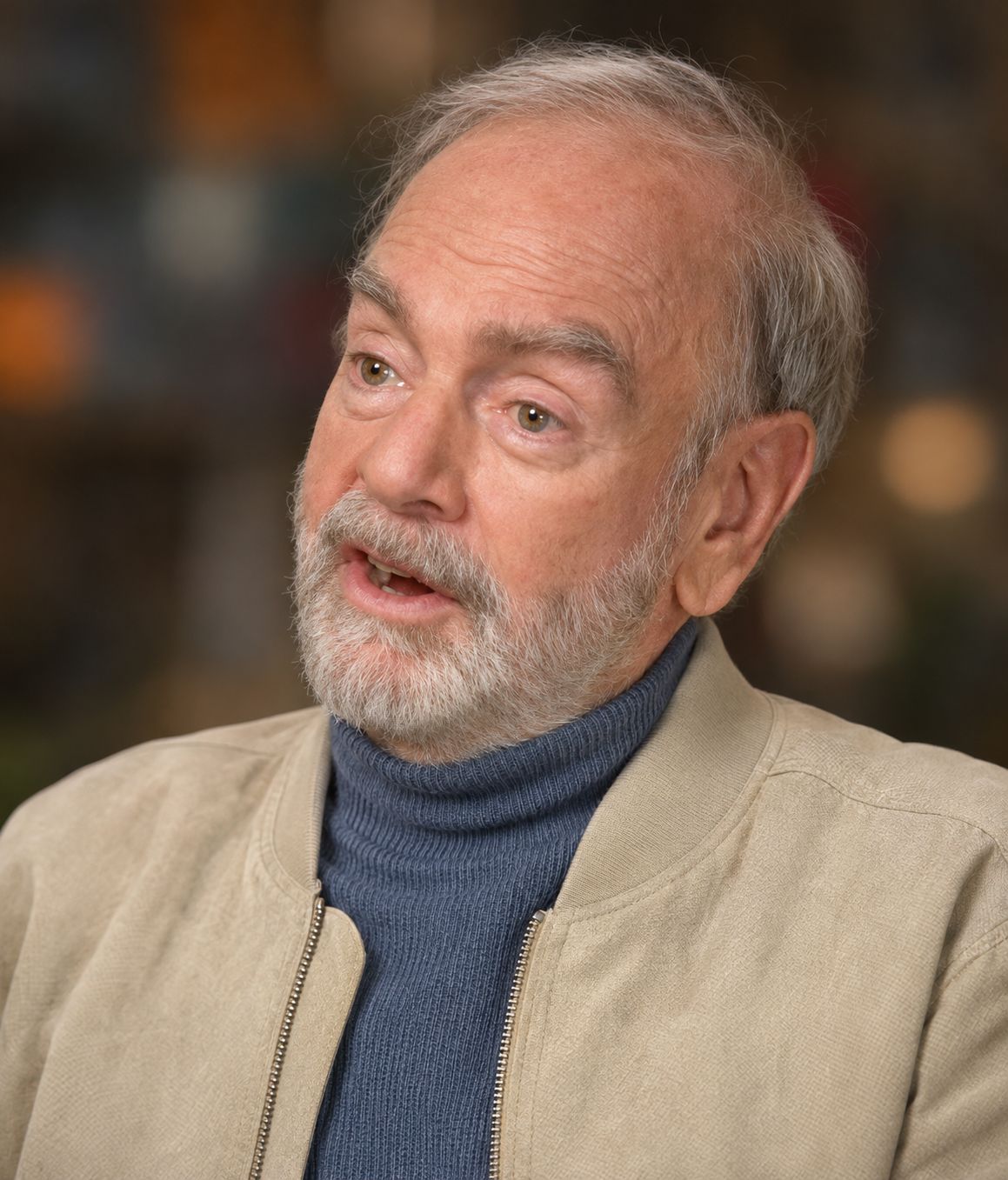
For more than half a century, Neil Diamond seemed almost inseparable from the stage.
He was the man who could walk into an arena, hear thousands of people shouting his name and transform a few familiar chords into something that felt like a shared memory. Songs such as “Sweet Caroline,” “Cracklin’ Rosie,” “America,” “Love on the Rocks” and “I Am… I Said” became part of the soundtrack of several generations, while Diamond built a reputation as a performer who seemed to draw energy from the people sitting in front of him.
That is why the announcement he made in January 2018 was so difficult for longtime fans to accept.
Diamond revealed that he had been diagnosed with Parkinson’s disease, and on the advice of his doctors, he was retiring from concert touring. The remaining dates on his 50th Anniversary Tour in Australia and New Zealand were cancelled, bringing an abrupt end to a touring career that had stretched across five decades. He made clear at the time that he intended to keep writing, recording and pursuing other projects, but large-scale touring had become too difficult.
What fans did not fully understand then was how difficult it had been for Neil himself to accept what was happening.
Years later, in a deeply personal interview with CBS Sunday Morning, Diamond admitted that after receiving the diagnosis, he spent the first year or two in denial. He remembered hearing what the doctor told him but feeling emotionally unprepared to accept that his life had changed. His instinct was essentially to return to work and continue as though the diagnosis could somehow remain outside the life he had built.
For a man whose identity had been shaped by movement, travel and performance, the reality was especially painful.
Neil had spent decades going from city to city and country to country, walking onto stages where audiences already knew every word before he sang the first note. Touring was not simply a job he happened to perform. It had become one of the central rhythms of his life.
In a letter connected with A Beautiful Noise, the stage musical based on his life, Diamond later described the ending of his touring career as premature. He explained that his heart and soul would have kept touring indefinitely if his body had been able to cooperate. That admission revealed something fans had long suspected: Neil did not retire because the desire disappeared. He retired because his body forced him to accept limits his spirit was not ready to accept.
That difference matters.
There is a profound emotional distance between choosing to leave the stage and being told that the stage can no longer be part of your life in the same way.
For Neil Diamond, accepting that reality took years.
When he spoke publicly in 2023, he said he had finally begun to make peace with the diagnosis. He acknowledged that there was no simple way to escape Parkinson’s and no way to demand that life return to what it had been before. Instead, he began learning to live within the limitations it had created.
What surprised him was the calm that eventually followed.
After decades of constant motion, Diamond described his life as becoming much quieter. He said he had begun to like himself more and had become gentler with both himself and the people around him. Acceptance did not mean that he liked what had happened, but it allowed him to stop fighting a reality he could not change.
Music, however, never disappeared.
One of the most moving moments came when Neil attended the opening of A Beautiful Noise on Broadway and unexpectedly joined the audience in singing “Sweet Caroline.” It was one of his rare public singing appearances after retiring from touring, and the familiar reaction from the crowd showed that the connection between Neil and his listeners had survived even after his touring career ended.
Diamond later explained that singing still gave him an extraordinary feeling because his mind and body seemed to work together when he sang. He had stopped touring, but he had not stopped being a singer.
The Broadway production also forced him to confront another difficult truth.
Watching his own life recreated onstage was emotionally uncomfortable. Diamond acknowledged that seeing his mistakes, insecurities and private struggles dramatized in front of strangers left him feeling exposed. The experience sometimes embarrassed and frightened him because the superstar image audiences had known for decades was being stripped away, revealing the ordinary person underneath.
That may be the most revealing part of Neil Diamond’s later years.
The man behind “Sweet Caroline” was never as invincible as the roaring crowds made him appear.
He was a songwriter who experienced doubt, a performer who feared losing the stage, and eventually an aging man who had to learn that strength sometimes means accepting what cannot be changed.
At 85, Neil Diamond’s story is no longer simply about record sales, sold-out arenas or songs that refuse to disappear from popular culture.
It is about a man who spent much of his life creating noise for millions of people and then found himself confronting an unexpected silence.
The heartbreaking truth is that Neil Diamond never truly wanted to leave the road behind. His love of performing remained, but Parkinson’s forced him to accept a different life. Yet in that quieter chapter, he discovered something he had struggled to find during the busiest years of his career: peace with himself, gratitude for what remained, and the knowledge that even when the touring stops, the music does not.