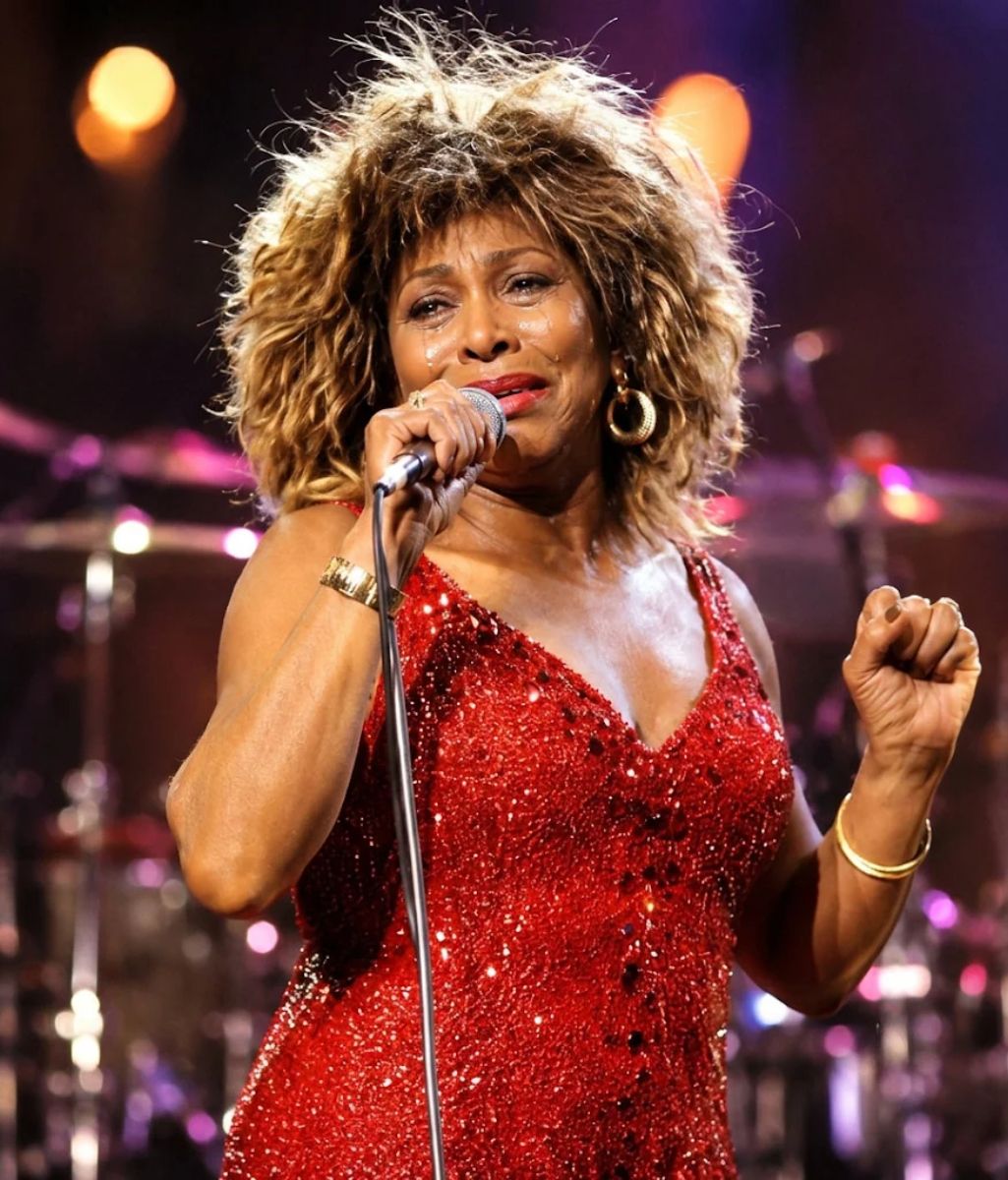
When Tina Turner finally walked away from Ike Turner in 1976, she was not simply ending a marriage. She was trying to separate herself from an entire life that had shaped both her public identity and some of her most painful private memories. For nearly two decades, Tina’s name, voice and career had been tied to the Ike & Tina Turner Revue, and although those years had made her famous, they were also connected to relentless touring, fear, control and abuse that she later said she had no desire to relive.
Decades later, Tina admitted that there were recordings from those years she simply did not listen to anymore because they brought back too many difficult memories. She explained shortly before her death that some Ike & Tina songs reminded her not only of Ike himself, but also of the exhausting schedule and the painful life surrounding those performances. Even after she had built an entirely new career, certain pieces of music still carried emotional weight from a chapter she had worked hard to leave behind.
One song, however, remained impossible to separate from Tina’s story: “Proud Mary.” Originally written by John Fogerty and recorded by Creedence Clearwater Revival, the song became one of Ike & Tina Turner’s biggest hits after they completely transformed it in 1971. Their version reached No. 4 on the Billboard Hot 100 and won a Grammy, while Tina’s explosive stage performance turned the song into one of the defining moments of her early career.
After leaving Ike, Tina could easily have abandoned “Proud Mary” along with many of the memories attached to that period. Instead, she gradually reclaimed it and changed what the song represented. During the Ike & Tina years, “Proud Mary” belonged to the act that had made her famous while also keeping her tied to a life she desperately wanted to escape. As a solo performer, however, Tina could sing the song on her own terms, keeping the familiar slow introduction and explosive second half while placing herself completely in control of the performance.
That transformation became increasingly powerful as Tina’s solo career grew during the 1980s. Audiences who discovered her through “What’s Love Got to Do With It” and Private Dancer soon learned that “Proud Mary” remained one of the most electrifying moments in her concerts. The song no longer felt like a reminder of the man she had left behind. Instead, it became part of the independent performer she had become after leaving that life.
Perhaps the clearest proof came decades later at the 2008 Grammy Awards, when Tina performed “Proud Mary” with Beyoncé, an artist from an entirely new generation. Tina was 68 years old and decades removed from the marriage and career partnership that had originally produced the hit, yet she still commanded the stage with the same unmistakable energy. The emotional power of the performance did not come from Tina mourning the past, but from watching a woman perform a song that no longer had the power to define her through the pain attached to it.
A recording created during one of the most difficult chapters of Tina’s life had survived long enough to become a celebration of everything she built afterward. By the time she stood beside Beyoncé, “Proud Mary” was no longer simply an Ike & Tina Turner classic. It had become a symbol of Tina’s endurance, independence and ability to transform something associated with painful memories into one of the most triumphant moments of her own stage show.
Tina remained careful about revisiting her early years. In the 1990s, when she re-recorded several Ike & Tina songs for the soundtrack to What’s Love Got to Do With It, she admitted that returning to that material was not something she wanted to do repeatedly. She could revisit the songs once in the studio, but she had no desire to spend night after night emotionally returning to the world from which they had come.
“Proud Mary” became different because Tina found a way to change its meaning. The song no longer belonged to a troubled marriage or to the fear she had experienced during those years. Instead, it became part of the woman she had become after leaving both behind, giving her the freedom to perform the music without allowing the past to control what the song meant in the present.
Tina Turner could never erase the years that first made “Proud Mary” famous, but she achieved something more powerful by taking the song back and redefining it on her own terms. By the time she performed it beside Beyoncé decades later, audiences were no longer watching a survivor revisit her past. They were watching the Queen of Rock ’n’ Roll prove that even the music connected to her most difficult years could eventually become completely hers.