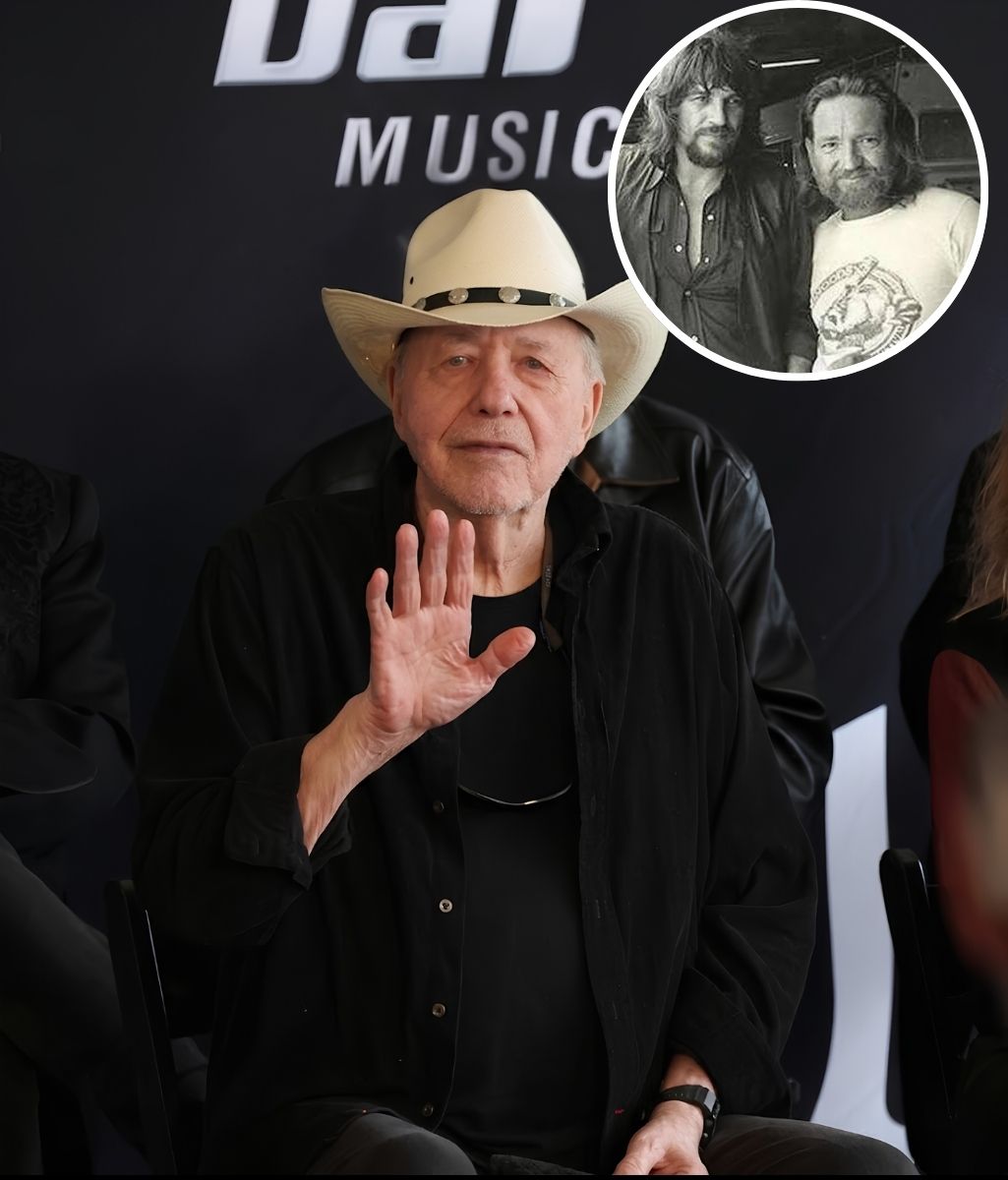
When people remember the rise of Outlaw Country, two names usually appear first: Waylon Jennings and Willie Nelson. The long hair, beards, unconventional image, and refusal to play by Nashville’s rules became symbols of a musical rebellion that changed country music during the 1970s. Yet another important figure had already been pushing for greater artistic freedom before the Outlaw image became famous. His name was Bobby Bare, and unlike the men who followed, he never looked much like a rebel.
That difference may help explain why Bare’s role is sometimes overlooked. Bobby did not build his career around confrontation or carefully cultivate the appearance of an outsider. He often appeared polished and comfortable in the Nashville world, wearing suits and presenting himself with the relaxed manner of an established country professional. Nothing about the surface immediately suggested that this was a man willing to challenge the way Nashville made records.
Behind that conventional appearance, however, Bare was becoming increasingly interested in controlling his own music. Nashville’s recording system during the 1960s and early 1970s gave producers and record companies enormous influence over song selection, musicians, arrangements, and studio decisions. Successful singers could become household names while still having surprisingly limited authority over the records released under their names.
Bare wanted something different.
When he returned to RCA in the early 1970s, he negotiated greater control over his recordings, including the ability to produce his own work. That freedom was significant because it anticipated one of the central demands later associated with the Outlaw movement: artists wanted to decide what they recorded and how their music should sound.
Bare used that freedom rather than merely treating it as a contractual victory. His partnership with Shel Silverstein became one of the clearest examples. Silverstein wrote songs filled with unusual characters, humor, darkness, tenderness, and stories that did not always resemble conventional Nashville material. Instead of avoiding those risks, Bare embraced them.
The result included Bobby Bare Sings Lullabys, Legends and Lies, an album that allowed Bare to approach country music as a storyteller rather than simply chase the safest possible radio single. That creative relationship eventually produced “Marie Laveau,” written by Silverstein and Baxter Taylor, which became Bare’s only solo No. 1 country hit in 1974.
There was another remarkable connection to the Outlaw story. Years earlier, Bare had heard a young Waylon Jennings performing in Phoenix and believed Nashville needed to hear him. Bare contacted RCA producer Chet Atkins and encouraged him to pay attention to Waylon, helping open an important door for the singer who would later become one of Outlaw Country’s defining figures.
The irony is difficult to miss. Bare helped Nashville discover Waylon, while also pursuing some of the creative freedom Waylon would later fight famously to obtain. Yet when the history of the movement was written in popular culture, Waylon became the outlaw while Bare usually remained Bobby Bare — respected singer, storyteller, and country veteran.
Part of the reason was timing, but image mattered too.
By the mid-1970s, Outlaw Country had developed an unmistakable visual identity. Waylon’s beard, black clothing, leather, and uncompromising presence looked like rebellion. Willie Nelson, after leaving Nashville and returning to Texas, adopted the long hair and unconventional appearance that became inseparable from his public identity. Their music challenged Nashville, but audiences could also see the rebellion before hearing a note.
Bare never transformed himself in quite the same way. He didn’t need an outlaw costume to prove his independence, and he wasn’t particularly interested in turning every disagreement with Nashville into part of his public mythology. His rebellion happened more often in contracts, studios, song choices, and the freedom he demanded to make records on his own terms.
That made his influence easier to overlook.
Popular history loves clear characters. Waylon and Willie became perfect symbols because their appearance, personalities, music, and battles with the industry could be packaged into an unforgettable story about outsiders taking control. Bare’s story was subtler. He could challenge Nashville on Monday and still look perfectly comfortable walking through its doors on Tuesday.
Yet that does not make his contribution less important. Musical movements rarely begin at one precise moment, and Outlaw Country was not invented by a single artist. It grew from years of frustration among performers and songwriters who wanted Nashville to loosen its grip. Bobby Bare belongs to that earlier chapter, when the battle for creative independence was already beginning even though nobody had yet turned it into a famous image.
This also explains why Bare’s legacy can seem surprisingly modest compared with his accomplishments. He had major hits, won a Grammy for “Detroit City,” championed unconventional writers, helped Waylon Jennings gain Nashville attention, pursued greater control over his recordings, and eventually entered the Country Music Hall of Fame. Yet he rarely presented himself as the man who had changed everything.
Perhaps that was simply Bobby Bare’s way. His greatest strength had always been making difficult things sound effortless. The same understated quality that made his singing so believable may also have kept his influence from becoming part of a larger legend about rebellion.
Today, looking back at the period with greater distance reveals a more complicated story. Waylon Jennings and Willie Nelson became the unmistakable faces of Outlaw Country, and deservedly so. But before the beards, leather, long hair, and famous outlaw image took over, Bobby Bare had already begun asking one of the questions at the heart of the movement: Why shouldn’t the artist control his own music?
History remembered the men who made rebellion visible.
Bobby Bare simply helped make some of that rebellion possible — while still wearing the suit.