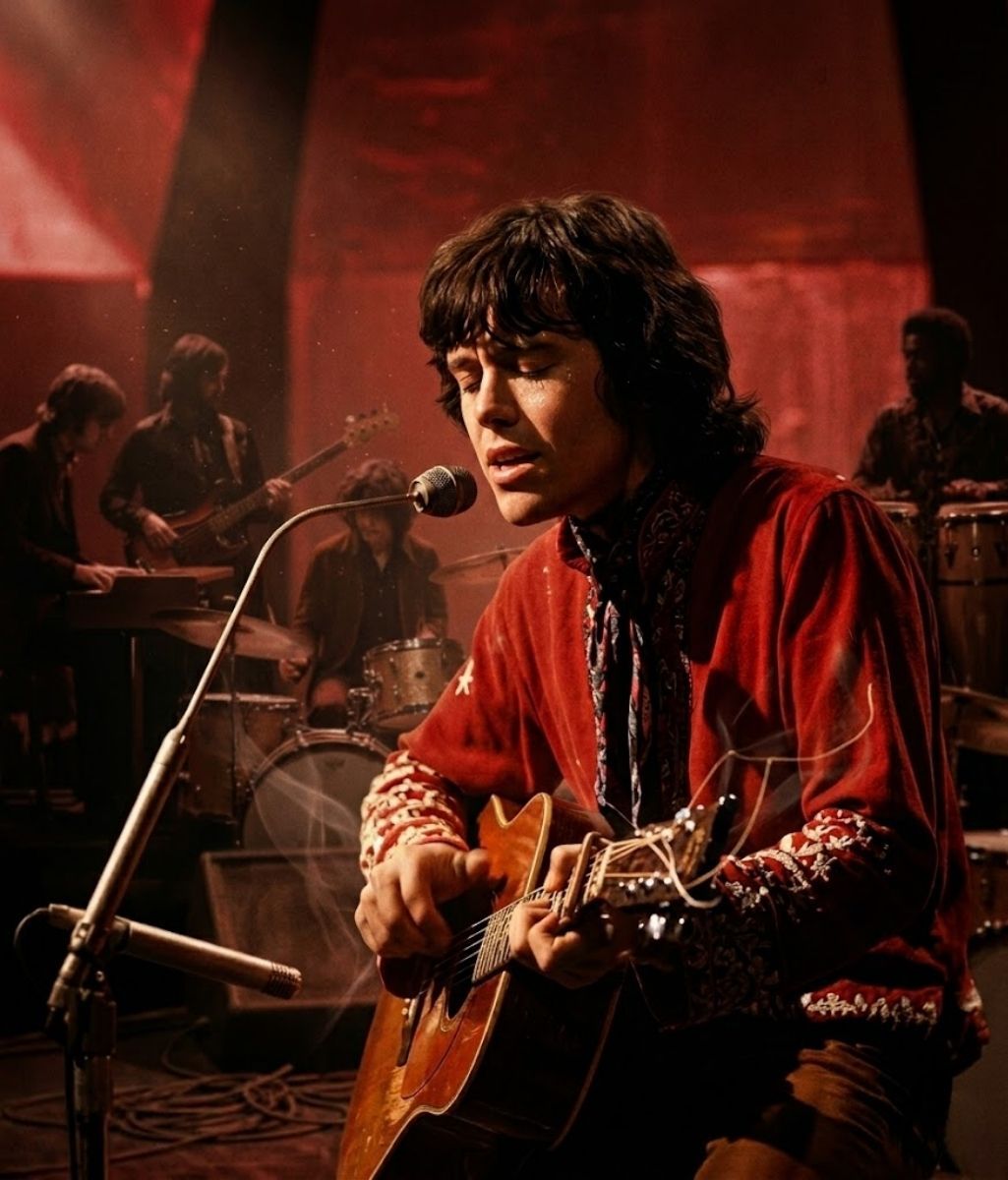
eleased in 1965, Donovan’s gentle classic “Catch the Wind” arrived during a remarkable era when a single voice, an acoustic guitar, and heartfelt lyrics were enough to capture millions of hearts. More than six decades later, the song remains a beautiful reminder that genuine emotion never goes out of style.
There was a time when music didn’t depend on dazzling stage productions, elaborate visual effects, or endless layers of studio technology. A song succeeded because of its honesty. A singer earned an audience because listeners believed every word they sang.
Few recordings capture that spirit more perfectly than Donovan’s 1965 masterpiece, “Catch the Wind.”
Built around little more than a gentle acoustic guitar, a warm, unmistakable voice, and lyrics filled with longing, the song became one of the defining recordings of the folk revival. It wasn’t loud or dramatic. Instead, it invited listeners into a quiet conversation about love, distance, and the impossible desire to hold on to someone slipping away—much like trying to catch the wind itself.
That simple metaphor became the heart of a song that has endured for generations.
When Donovan first emerged in the mid-1960s, comparisons with other folk artists were inevitable. Yet he quickly established a style entirely his own. His music blended traditional British folk influences with poetic songwriting, creating songs that felt intimate, reflective, and deeply human. Rather than chasing trends, he focused on storytelling, allowing each lyric to paint vivid emotional landscapes that listeners could easily recognize from their own lives.
“Catch the Wind” introduced that gift to the world.
The song’s gentle melody carried an emotional weight that needed no elaborate production. Every chord felt natural, every lyric sincere, and every pause allowed the story to breathe. It reminded audiences that the most powerful performances are often the simplest ones.
For many listeners, hearing the song today is like opening a cherished family photo album. It instantly transports them back to an era when music was experienced differently—played on front porches, around campfires, on quiet country roads, or through the warm crackle of a vinyl record spinning late into the evening. Those memories have become inseparable from the song itself.
Its influence extends far beyond the folk community.
Generations of country, Americana, and acoustic artists have embraced the same philosophy that Donovan demonstrated so beautifully: a great song doesn’t need to be hidden beneath production. When the melody is genuine and the words come from the heart, they have the power to cross decades, genres, and generations without losing their emotional impact.
That is why “Catch the Wind” continues to resonate with listeners more than sixty years after its release. The emotions it expresses are timeless. Longing, hope, love, and quiet reflection never grow old because they remain part of every human experience.
In today’s world of digital perfection and endless technological possibilities, songs like this offer something increasingly rare—authenticity. They remind us that music’s greatest strength has never been found in sophisticated equipment or spectacular performances. It has always been found in honest storytelling.
Perhaps that is the enduring magic of Donovan’s timeless classic. It proves that one voice, one acoustic guitar, and one heartfelt story can leave a legacy that outlives generations. Long after musical trends have come and gone, “Catch the Wind” continues to drift gently through the years, carrying with it the warmth, sincerity, and quiet beauty of an era when songs were written not to impress, but to be remembered.