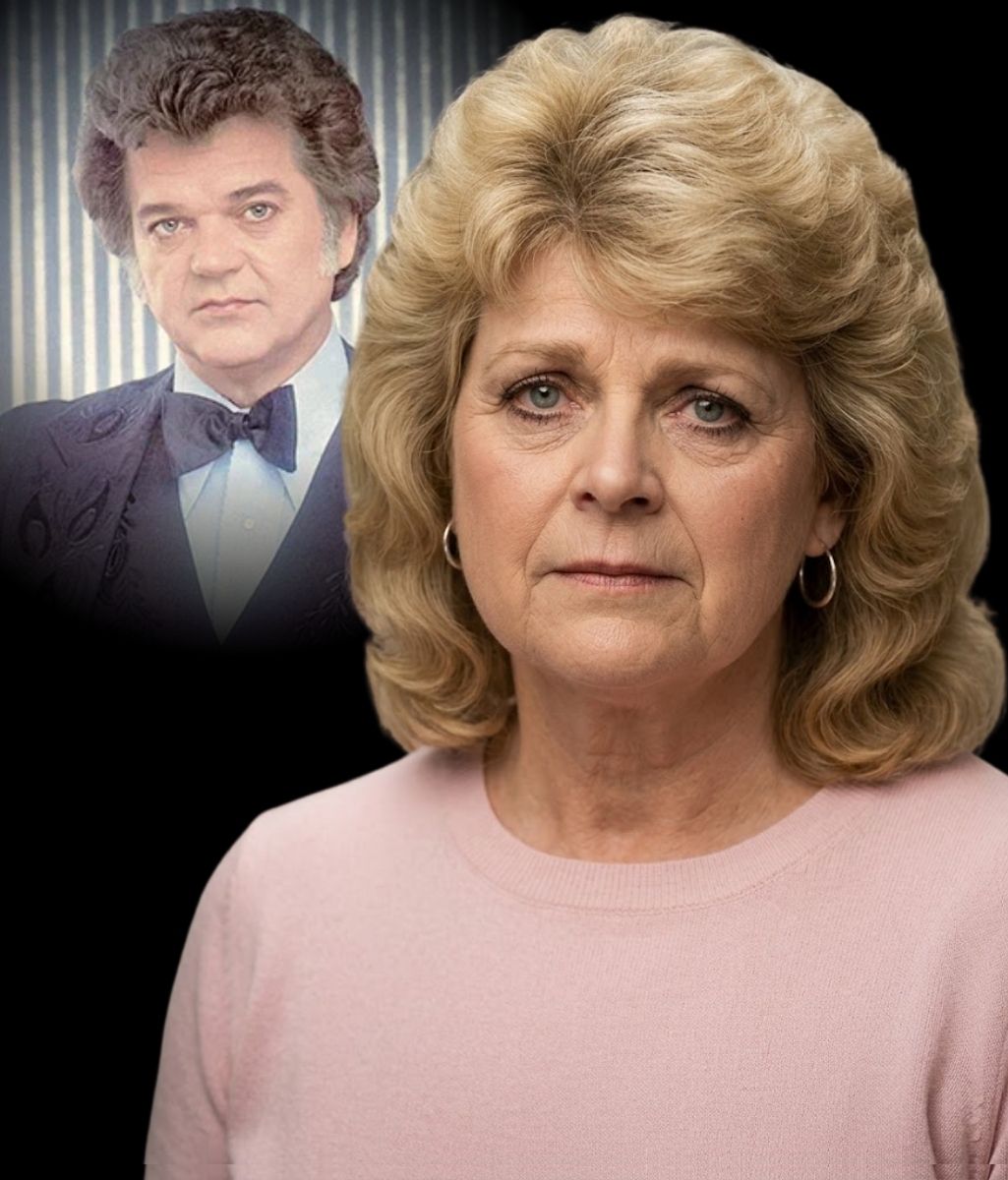
When Conway Twitty died unexpectedly on June 5, 1993, country music lost one of its most successful and recognizable voices. But while millions of fans were mourning the man behind “Hello Darlin’,” a far more complicated story was beginning inside his family. Conway left behind four adult children, his widow Dolores “Dee” Henry Jenkins, valuable property and decades of musical success, yet one crucial document had not kept pace with his personal life: his will had been written before he married Dee.
The problem quickly became clear. Conway’s will and later codicils left most of his estate to his four children — Michael, Joni, Kathy and Jimmy Jenkins — while also providing $50,000 to his mother. But Conway married Dee in 1987, years after the original estate documents were prepared, and the plans he had reportedly been working on to update his arrangements were never completed and signed before his death. Under Tennessee law, however, Dee still had rights as his surviving spouse, setting the stage for a complicated probate dispute.
In December 1993, Dee formally petitioned for an elective share of Conway’s estate, and disagreement followed over how that share should be calculated. The dispute eventually involved Conway’s children, his widow and the executors responsible for administering the estate, producing years of legal proceedings. Court records from the Tennessee Court of Appeals show just how complicated the administration became, with disagreements involving valuations and financial arrangements continuing long after Conway himself was gone.
What makes the story particularly painful is that this wasn’t simply an argument over money sitting in a bank account. Conway had spent decades building a business and musical legacy around his name, and among the most visible symbols of that success was Twitty City, his famous Hendersonville, Tennessee, complex. The property had become closely associated with Conway and his family, making what happened to it after his death especially difficult for longtime fans to watch.
As the estate process unfolded, much of Conway’s property and memorabilia ultimately went to public auction. Accounts of the dispute describe family members having to face the possibility that objects and property connected to their father’s life could leave the family entirely. The battle over Conway Twitty’s estate had moved far beyond an argument about percentages; pieces of the physical world he had spent years building were now being divided and sold.
Twitty City itself would not remain in the family’s hands. The Hendersonville property was acquired by the Trinity Broadcasting Network in 1994, bringing an end to its original life as Conway’s famous country music complex. For fans who remembered Twitty City as an extension of Conway himself — complete with family residences, attractions and its famous Christmas displays — the sale became one of the most visible reminders that his death had changed much more than his recording career.
The legal story also continued for years. A 1999 Tennessee Court of Appeals decision involving Conway’s estate shows that disputes were still working their way through the courts six years after his death. Rather than a clean transfer of wealth from a famous father to the people closest to him, the estate became an example of how complicated inheritance can become when an old will no longer reflects the family situation that exists at the time of death.
Eventually, Conway’s four children retained important parts of their father’s legacy, including rights connected to his music, name and image, while the broader estate story became permanently associated with litigation and the sale of property. Another dispute surfaced years later when the children challenged a music-publishing agreement involving rights and royalty revenue, showing that questions surrounding Conway’s musical assets did not simply disappear when the original probate battle ended.
Perhaps the saddest part is that there does not need to be a hidden fortune or secret confession to make the story dramatic. The documented truth is already painful enough. Conway Twitty spent decades building a musical legacy and a physical place that carried his name, yet his sudden death left behind an estate plan that had not been fully updated for the family circumstances existing in 1993. The people closest to him were then forced to resolve questions he was no longer there to answer.
For country fans, Conway’s legacy ultimately survived those battles because its most important part could not be auctioned away. “Hello Darlin’,” “Linda on My Mind,” “That’s My Job,” and his celebrated recordings with Loretta Lynn continued playing long after the court cases ended and Twitty City changed hands. His voice remained where he had left it, preserved in recordings that belonged emotionally to generations of listeners.
More than three decades after Conway’s death, the estate battle remains a sobering final chapter to an extraordinary life. There was no mysterious treasure waiting to be discovered and no simple winner who walked away with everything. Instead, there was an outdated will, a widow with legal rights, four children named as heirs, years of disputes, and property that could not remain exactly as Conway had left it.
The empire changed hands, Twitty City was sold, and the family was left to navigate a conflict Conway almost certainly never expected to leave behind. Yet the one inheritance that proved impossible to divide in a courtroom was the one his fans cared about most: the music of Conway Twitty.