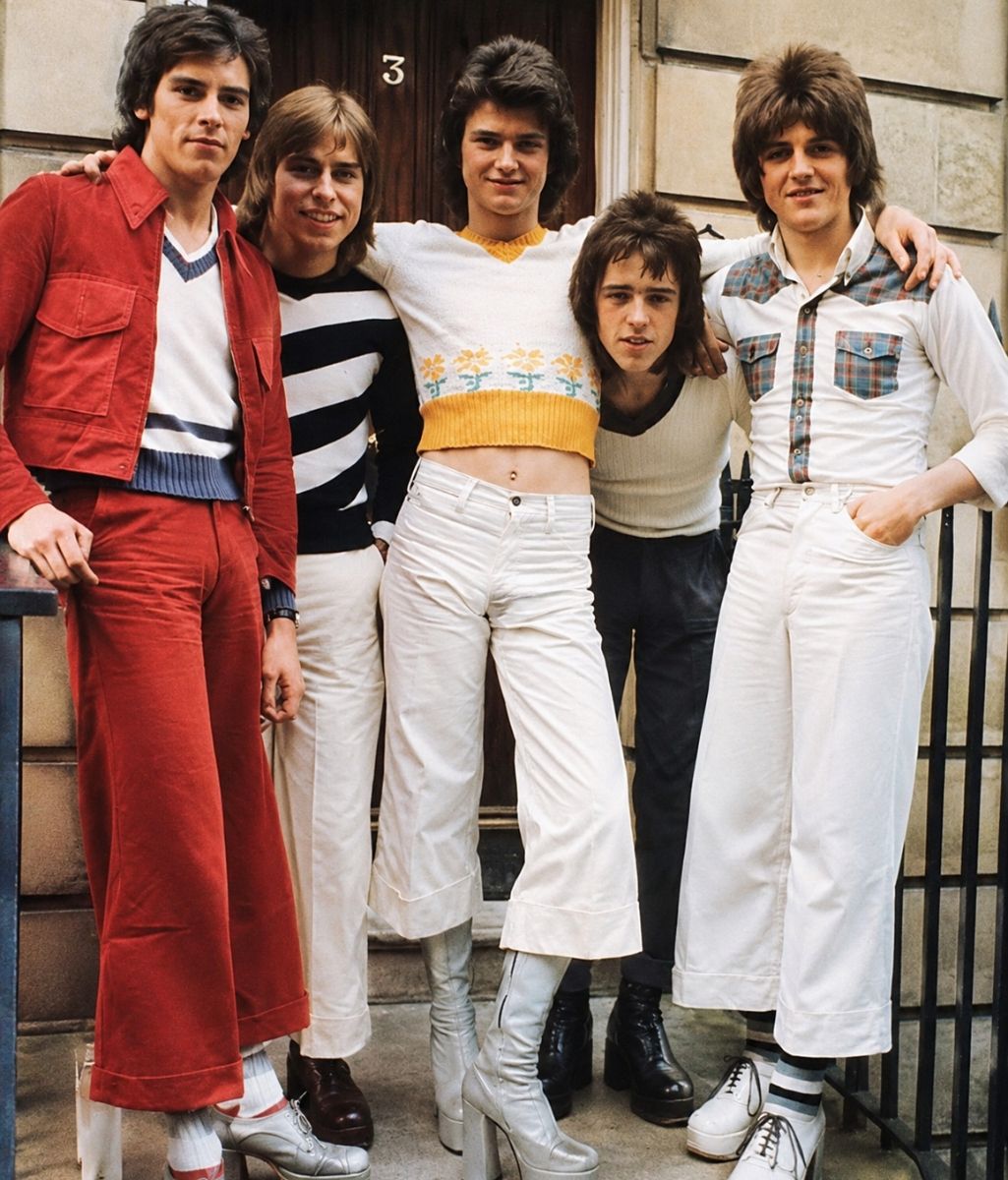
There was a time when The Bay City Rollers seemed to represent everything bright about being young.
Their tartan-covered image was everywhere, teenage fans screamed outside venues, and songs such as “Saturday Night,” “Bye Bye Baby,” “Shang-a-Lang” and “Give a Little Love” turned the Scottish group into one of the biggest pop sensations of the 1970s. At the height of Rollermania, the excitement surrounding them was so intense that the group was often compared to the hysteria once created by The Beatles.
To fans, it looked like a dream.
Behind the scenes, however, several former members later described something very different.
Much of the group’s early career was controlled by manager Tam Paton, who played a major role in shaping their image, business decisions and professional future. The members were young, while Paton held enormous influence over who remained in the band and how their careers developed.
Years later, disturbing allegations emerged about what happened inside that environment.
Former members and other men accused Paton of sexual abuse, coercion and manipulation. These claims became part of the wider public understanding of the band’s history, especially after documentaries and interviews allowed former members and survivors to speak about experiences that had remained largely hidden during the height of Rollermania.
The allegations were not simply tabloid rumors.
Paton was jailed in 1982 after admitting sexual offences involving teenage boys. Decades later, additional testimony and investigations brought renewed attention to the people who had been around him and to the culture of silence that had allowed young performers to remain vulnerable.
For some former members, the damage continued long after the screaming crowds disappeared.
They spoke about emotional pressure, lost trust and the difficulty of looking back at a period the public remembered as carefree. That contrast became one of the most painful parts of the Bay City Rollers’ legacy. Fans remembered smiling young men on magazine covers, while some of the people in those photographs remembered a world in which they often had far less control than audiences realized.
Money created another wound.
Despite enormous record sales and international success, former members spent years fighting over royalties and money they believed they had not properly received. Legal disputes continued long after the band’s commercial peak, adding another layer of bitterness to a career that had once looked like an uncomplicated success story.
That is why the history of the Bay City Rollers feels so different when viewed decades later.
The music still carries genuine memories. For many fans, hearing “Saturday Night” can instantly bring back school dances, transistor radios, teenage bedrooms and a time when life felt simpler.
None of that joy was fake.
But neither was the pain behind it.
The public saw tartan, smiles and an explosion of youthful energy. Former members later revealed a world shaped by control, exploitation, fear and financial conflict that few fans could have imagined while they were watching from the crowd.
The Bay City Rollers once had the world screaming their name, but fame did not protect the young men inside the band. Behind one of pop music’s happiest images was a story that took decades to come into the light, and once fans learned what had happened behind the scenes, Rollermania never looked quite the same again.