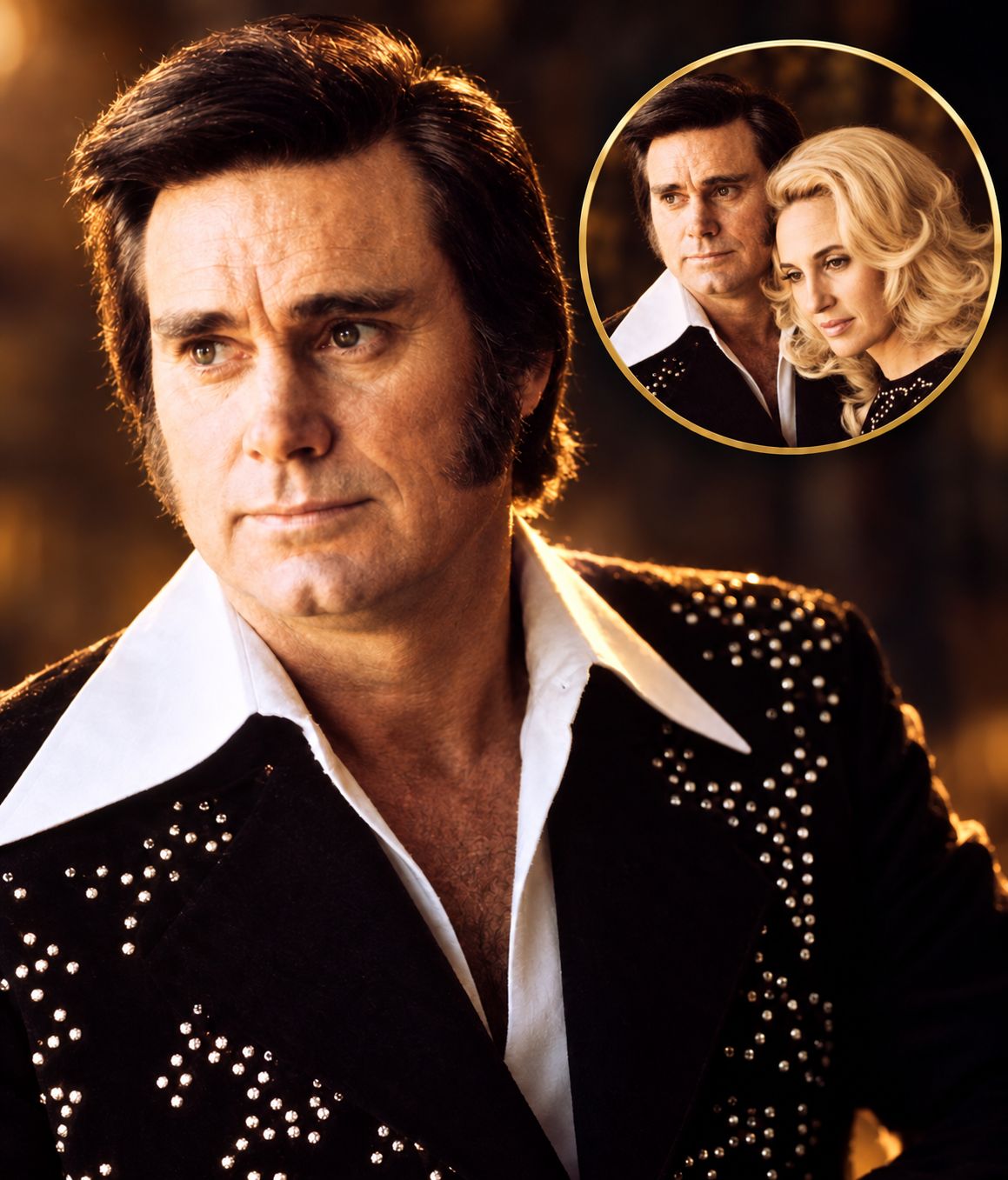
When George Jones and Tammy Wynette married in 1969, country music gained one of its most famous couples. They were soon promoted as the genre’s “President and First Lady,” and their duets seemed to confirm the image. Songs such as “We’re Gonna Hold On,” “Golden Ring,” and “Two Story House” made them sound perfectly matched, but the harmony audiences heard on record hid a marriage that was becoming increasingly unstable behind closed doors.
George’s problems with alcohol had begun long before Tammy entered his life, and they did not disappear after the wedding. The Country Music Hall of Fame notes that drinking had already caused serious damage in his earlier relationships, and during his marriage to Tammy those same problems continued to grow. As his drinking worsened, arguments became more frequent, and the emotional distance between the two singers widened even while their professional partnership remained successful.
Tammy later described their marriage as a cycle of love, conflict and attempted reconciliation. In her recollections, George’s drinking could make life at home unpredictable, and Biography.com notes that she once said he chased her through their house with a loaded rifle. George later disputed that specific version in his own memoir, which is why the incident remains contested, but there is little disagreement that their home life had become deeply troubled.
By 1973, Tammy filed for divorce, although the couple reconciled soon afterward. The decision to stay together produced one of their biggest hits, “We’re Gonna Hold On,” but the title became painfully ironic as the marriage continued to deteriorate. Their success onstage could not solve the problems at home, and Tammy eventually filed again after years of fighting, missed commitments and George’s increasingly destructive behavior. Their divorce was finalized in 1975.
What makes their story especially complicated is that divorce did not end the emotional connection.
George’s life became even more unstable after the separation. His alcohol use was joined by cocaine addiction, and he began missing so many performances that he earned the nickname “No Show Jones.” He was arrested and hospitalized numerous times, faced financial and legal problems and saw his health deteriorate dramatically. The man Tammy had once hoped might change was moving deeper into the behavior that had helped destroy their marriage.
Tammy, however, never completely erased George from her life.
They continued recording together after the divorce, producing songs such as “Golden Ring” and “Near You,” and their daughter Georgette Jones later said that both parents remained emotionally connected long after the marriage ended. In a recent recollection, Georgette said Tammy still considered George the love of her life and regretted that their timing and circumstances had made a lasting marriage impossible.
That enduring affection is what makes the story more painful than a simple tale of a bad marriage.
George and Tammy could create extraordinary music together because the emotion between them was real, but the same intensity that made their duets believable could not protect them from addiction, instability and resentment. They loved one another, but love alone was not enough to make the home they shared safe or peaceful.
Years later, after George had begun rebuilding his life with Nancy Sepulvado, he and Tammy found their way back to friendship. They reunited professionally in the 1990s, recorded the album One and toured together again. When Tammy died in 1998, George said he had lost a close friend, suggesting that the anger of the marriage had finally softened into something more forgiving.
George Jones and Tammy Wynette gave country music some of its most beautiful duets, but the life behind those songs was far more painful than the harmony suggested. Their marriage became proof that two people can sound perfect together and still be unable to build a peaceful life away from the microphone.