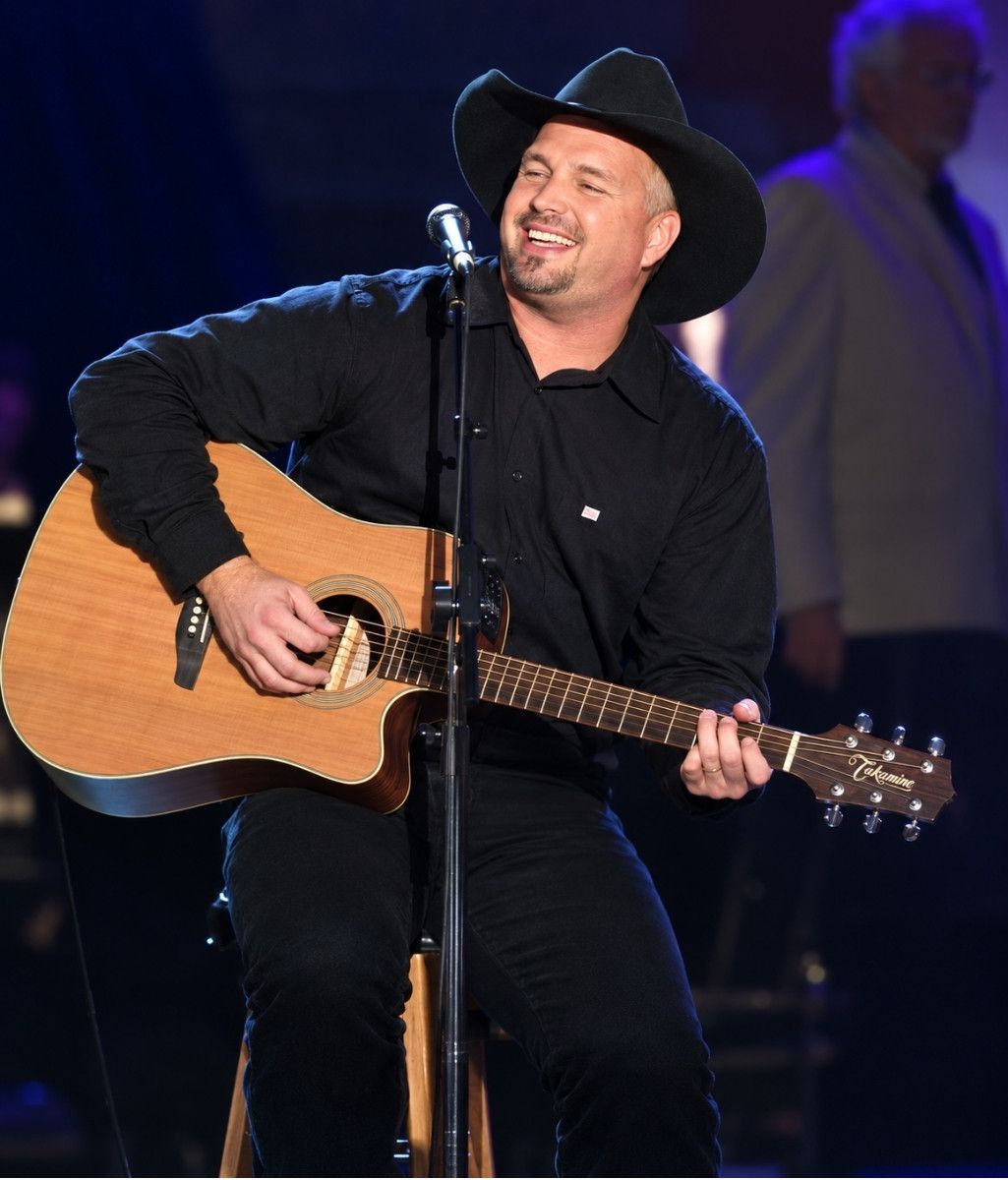
When Garth Brooks released “If Tomorrow Never Comes” in 1989, he wasn’t simply introducing a new single—he was introducing himself to the world. The heartfelt ballad became his first No. 1 country hit, revealing the emotional honesty that would define his career. More than three decades later, its timeless message continues to remind millions that tomorrow is never guaranteed, and love should never be left unsaid.
Every legendary artist has one song that changes everything.
For Garth Brooks, that song was “If Tomorrow Never Comes.” Before he became the best-selling solo artist in American history, before stadium tours and record-breaking albums made him a household name, he was simply a young country singer hoping audiences would connect with a deeply personal message.
Few could have imagined just how profoundly they would.
Released in 1989 as the second single from his self-titled debut album, “If Tomorrow Never Comes” quickly became Garth Brooks’ first No. 1 hit on the Billboard Hot Country Singles chart. While the success launched his career, it was the song’s emotional honesty—not just its chart position—that made it unforgettable.
Rather than relying on flashy production or dramatic storytelling, the song asked a quiet question that almost everyone has wondered at some point in life.
What if tomorrow never comes?
The lyrics follow a man lying awake beside the woman he loves, reflecting on a simple but deeply unsettling thought. If something happened before morning, would she truly know how much she meant to him? Had he said the words often enough? Had he shown his love in ways that mattered?
Those questions transformed an ordinary love song into something far more universal.
Written by Garth Brooks and songwriter Kent Blazy, the song was inspired by Brooks’ own experiences as a young husband and soon-to-be father. Rather than writing about romance in the traditional sense, they explored something more enduring—the importance of expressing love while there is still time. The result was a ballad that spoke not only to couples but to parents, children, siblings, and friends.
Listeners immediately recognized themselves in the story.
Many heard reminders of conversations they had postponed, phone calls they had promised to make, or emotions they had struggled to express. For some, the song became an encouragement to embrace a loved one a little longer before saying goodbye. For others, it inspired difficult conversations that had been delayed for years.
Its greatest achievement was never simply making people cry.
It made people act.
Across the decades, countless fans have shared stories of how “If Tomorrow Never Comes” changed the way they approached their relationships. Some have said they called their parents after hearing it on the radio. Others chose to tell someone “I love you” for the first time because the song reminded them that tomorrow is never guaranteed. At weddings, anniversaries, memorial services, and family gatherings, its gentle melody has continued to provide comfort, reflection, and hope.
That extraordinary emotional connection became one of the defining characteristics of Garth Brooks’ career.
Although he would later become famous for energetic concert anthems like “Friends in Low Places” and unforgettable performances before massive stadium crowds, Brooks never lost the ability to tell intimate stories that spoke directly to the heart. His greatest songs have always balanced entertainment with genuine human emotion, allowing listeners to see their own lives reflected in the music.
“If Tomorrow Never Comes” established that identity from the very beginning.
It revealed an artist who understood that country music is at its strongest when it tells honest stories about ordinary people facing life’s most meaningful moments. The song proved that vulnerability could be every bit as powerful as showmanship, and sincerity could leave a lasting impression long after the final note faded.
More than 35 years after its release, the message remains as relevant as ever.
Modern life often moves at an exhausting pace. Busy schedules, endless responsibilities, and constant distractions make it easy to assume there will always be another opportunity to say the things that matter most. Yet the song quietly reminds us that life offers no such guarantees. Love expressed today is infinitely more valuable than affection postponed until tomorrow.
Perhaps that is why each new generation continues to discover “If Tomorrow Never Comes.” Its lyrics are rooted in a universal truth that transcends time, age, and circumstance. Every listener understands the hope of wanting those they love to know exactly how much they are cherished.
Looking back today, it is remarkable that the song which introduced Garth Brooks to the world also introduced the qualities that would define his extraordinary career—honesty, compassion, humility, and an unwavering belief in the power of music to bring people closer together.
Today, “If Tomorrow Never Comes” remains far more than the first No. 1 hit of a country music legend. It stands as one of the genre’s most enduring reminders that life’s greatest regrets are often the words left unspoken. Tomorrow is never promised, but every day offers another chance to tell the people we love exactly what they mean to us—and that timeless message will never go out of style.