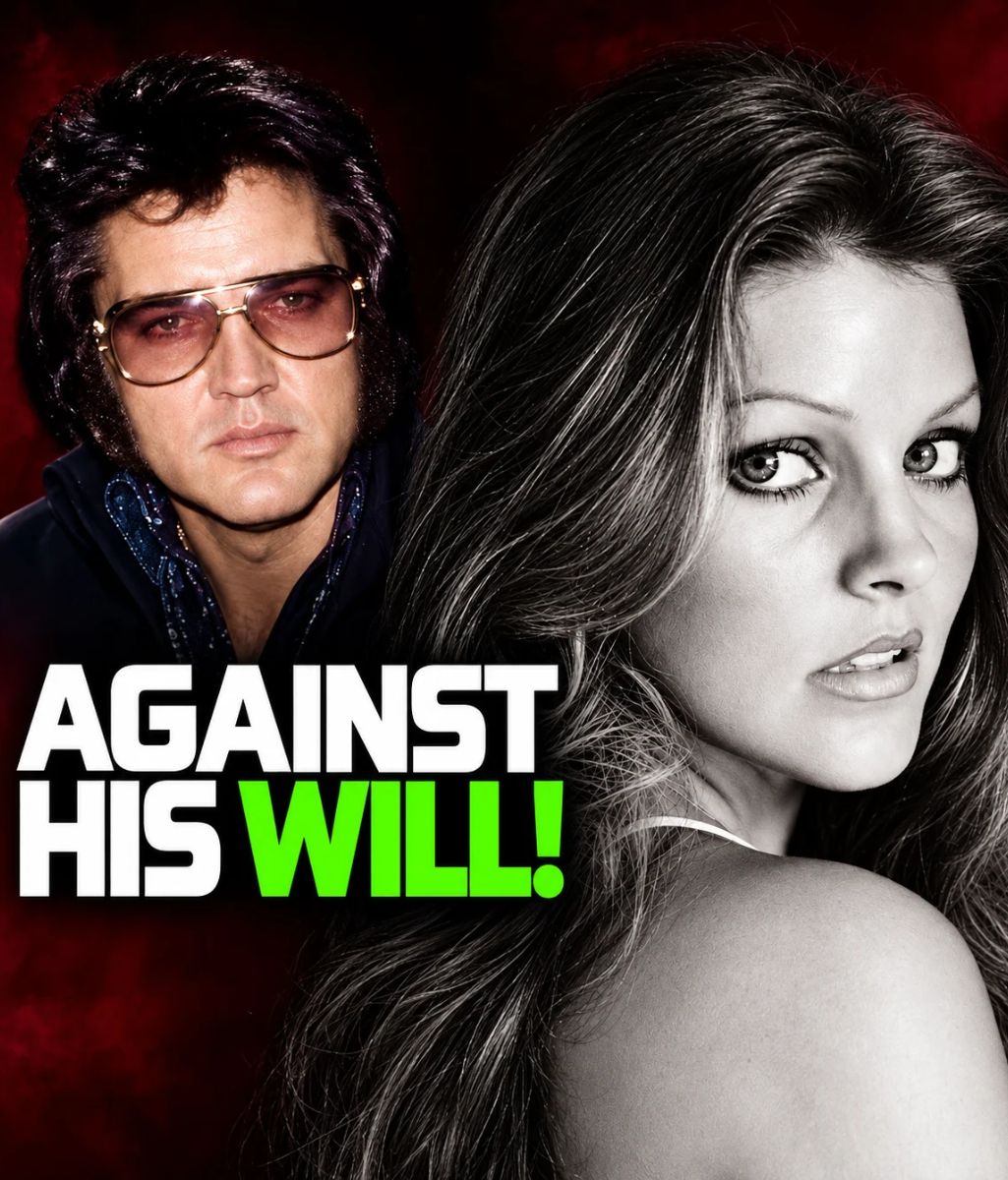
When Elvis Presley died on August 16, 1977, the public story seemed brutally final. He had been found unresponsive at Graceland, rushed to Baptist Memorial Hospital in Memphis and pronounced dead that afternoon. Within hours, one of the most famous men in the world had become part of history, while his family was left trying to understand how a 42-year-old man preparing for another tour could suddenly be gone.
For Elvis’s cousin Donna Presley, however, the story of those days did not end with the official announcement.
Donna grew up inside the Presley family circle, spending summers at Graceland from the age of ten and later living on the property with her family. After Elvis’s death, she also worked alongside his father Vernon Presley in the Graceland office, handling correspondence and administration before the mansion eventually opened to the public. Those years gave her a view of the family’s grief that most fans could never have seen.
Decades later, Donna revealed one memory that added a troubling new layer to that grief.
In a 2026 interview, she recalled that Vernon once told her he believed his son may have been murdered. Donna did not present that statement as proof, nor did she claim to possess evidence that overturned the official record. Instead, she described it as something deeply personal that Elvis’s father had carried after losing his only surviving son.
That distinction matters because Vernon’s public comments immediately after Elvis’s death were filled less with accusation than disbelief.
In an interview published only days later, Vernon described Elvis as being in a good mood and looking ahead to the tour scheduled to begin in Portland, Maine. Elvis had even welcomed the idea of his father joining him, telling Vernon that the more people who came along, the better. Hours later, Vernon was called upstairs at Graceland and found himself trying to help revive his son, even as he feared it was already too late.
For a father, that kind of ending could leave questions that no medical explanation would easily settle.
The Elvis the public saw during his final years had clearly been struggling with health problems, exhaustion and prescription medication, but the man Vernon saw was still making plans. He was still talking about the next tour, still surrounded by family and staff, and still expected to be working again within hours.
That gap between expectation and reality may help explain why suspicion could take root inside a grieving family.
Donna’s recollection does not rewrite history, but it reveals something the public record cannot fully capture: the uncertainty carried by people closest to Elvis after his death. Fans received headlines, medical statements and funeral images, while family members were left with private conversations, unanswered questions and memories they had to live with long after the crowds disappeared.
That may be the real “family truth” Donna brings to the story.
It is not proof of a hidden crime.
It is the revelation that even inside Graceland, the people who loved Elvis did not necessarily find peace in the official ending.
Donna has spent years trying to preserve a more personal image of her cousin, describing Elvis as a family member rather than only an icon. Her recent work continues that approach, focusing on the faith, family ties and private life that existed behind the enormous public legend.
Nearly five decades after Elvis died, theories about his final hours continue to multiply because uncertainty has always surrounded sudden loss. Donna’s story adds another layer, but it should be understood for what it is: a family memory about Vernon Presley’s private suspicion, not a solved mystery.
The King of Rock ’n’ Roll may have left the world in 1977, but inside his own family, the final word about what happened was never as simple as the public was led to believe.