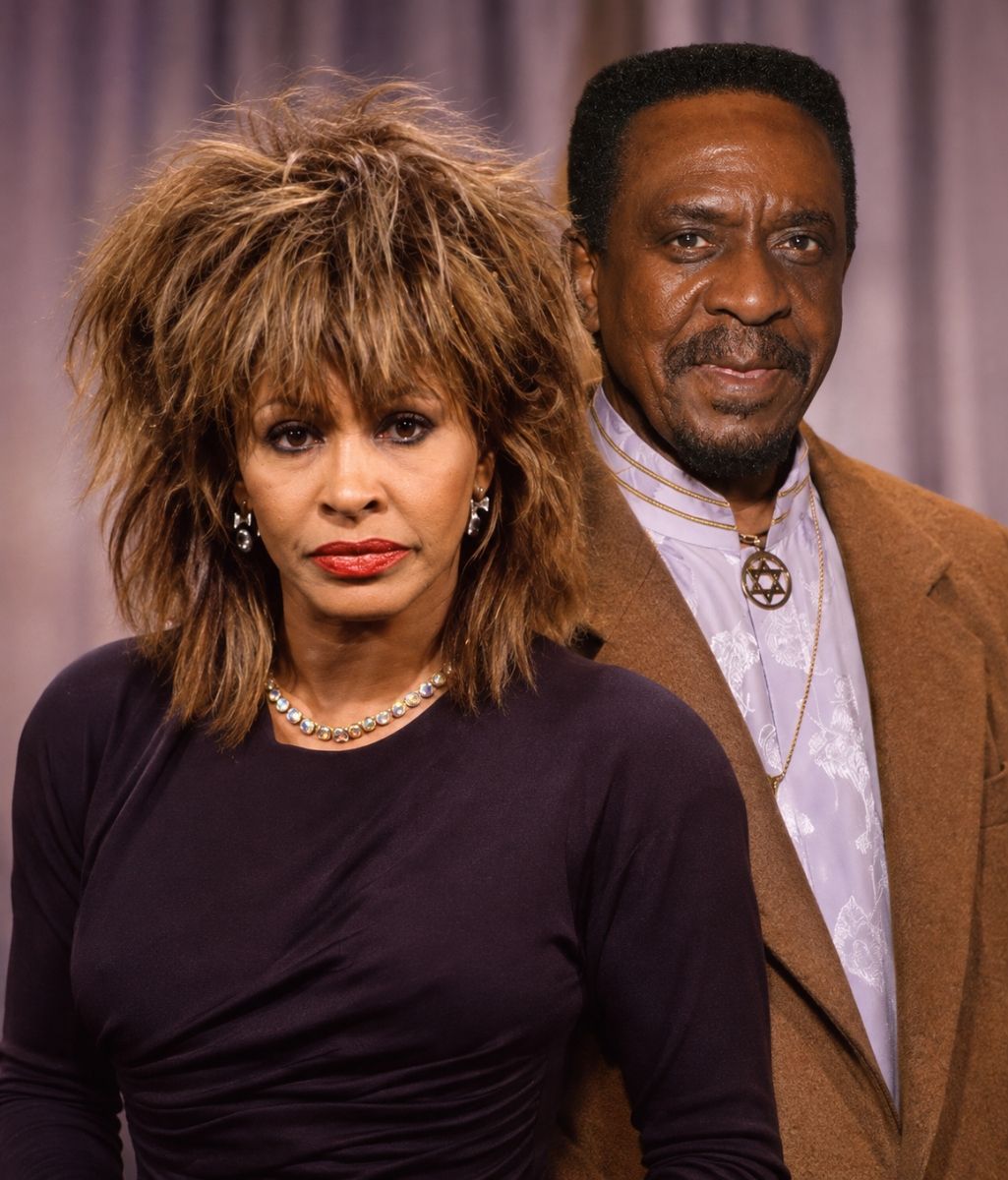
To audiences in the 1960s and 1970s, Tina Turner looked almost unstoppable.
Night after night, she stepped onto stages with extraordinary energy, danced with the Ikettes and delivered performances so powerful that audiences rarely imagined anything could frighten the woman standing in front of them. Alongside Ike Turner, she built a successful touring act and recorded songs such as “A Fool in Love,” “River Deep – Mountain High,” “Proud Mary” and “Nutbush City Limits.”
Behind the performances, however, Tina was living through something very different.
Years later, she described a relationship dominated by fear, control and repeated physical abuse. Ike controlled much of the money and the professional machinery surrounding their act, leaving Tina feeling that her career and personal life were tied to the same man she was afraid of.
The violence sometimes happened shortly before performances.
Tina later recalled that she could be beaten and still be expected to walk onto a stage moments later. She learned to cover bruises with makeup, smile for the audience and perform with enough intensity that people would focus on the show rather than whatever injuries she was hiding.
The contrast became almost impossible to comprehend.
Thousands of people could be cheering while Tina was privately trying to survive the next day.
She later said that one reason she remained trapped for so long was that she had very little financial independence and believed she had nowhere safe to go. Ike was not simply her husband; he was also deeply involved in the business that controlled her work, money and identity as Tina Turner. In her later memoir, she wrote that she believed he wanted to control her economically and psychologically so she could not leave.
Even people close to them sometimes saw signs.
Tina told Oprah that her children saw her black eyes, and she remembered her oldest son Craig once checking on her while a violent confrontation was happening at home. Decades later, Cher also recalled Tina asking for makeup to cover a bruise and quietly asking how Cher had managed to leave her own troubled marriage.
Yet leaving was not as simple as recognizing the abuse.
Tina had attempted to escape before, and she remembered being tracked down and attacked again. By the mid-1970s, she had reached a point where staying felt more dangerous than leaving.
That moment finally came in Dallas in 1976.
After another violent confrontation while they were on tour, Tina waited until Ike was asleep and walked away. She crossed a highway and entered a nearby hotel looking for help, carrying only 36 cents and a Mobil credit card.
There was no guarantee that her career would survive.
In fact, leaving meant giving up much of the professional structure that had supported the Ike & Tina Turner Revue. Tina later struggled financially, performed smaller shows and spent years rebuilding her reputation before the extraordinary solo comeback that eventually produced Private Dancer and “What’s Love Got to Do With It.”
That comeback changed the meaning of her story.
Tina was no longer simply the woman who had escaped an abusive marriage. She became one of the rare artists who rebuilt an entire career, identity and life after leaving almost everything behind.
When she began speaking publicly about the abuse in 1981, she also did something that was far less common for major celebrities at the time. She described domestic violence openly, without protecting the glamorous image that had surrounded her earlier career. Survivors and campaigners later credited that honesty with helping other women recognize that fame, money and success do not protect someone from abuse.
Millions had watched Tina Turner perform for years without understanding what she was surviving once the stage lights went dark. Her greatest victory was not simply becoming one of the biggest singers in the world. It was finally walking away, rebuilding her life and refusing to let the worst years of her story become the final chapter.