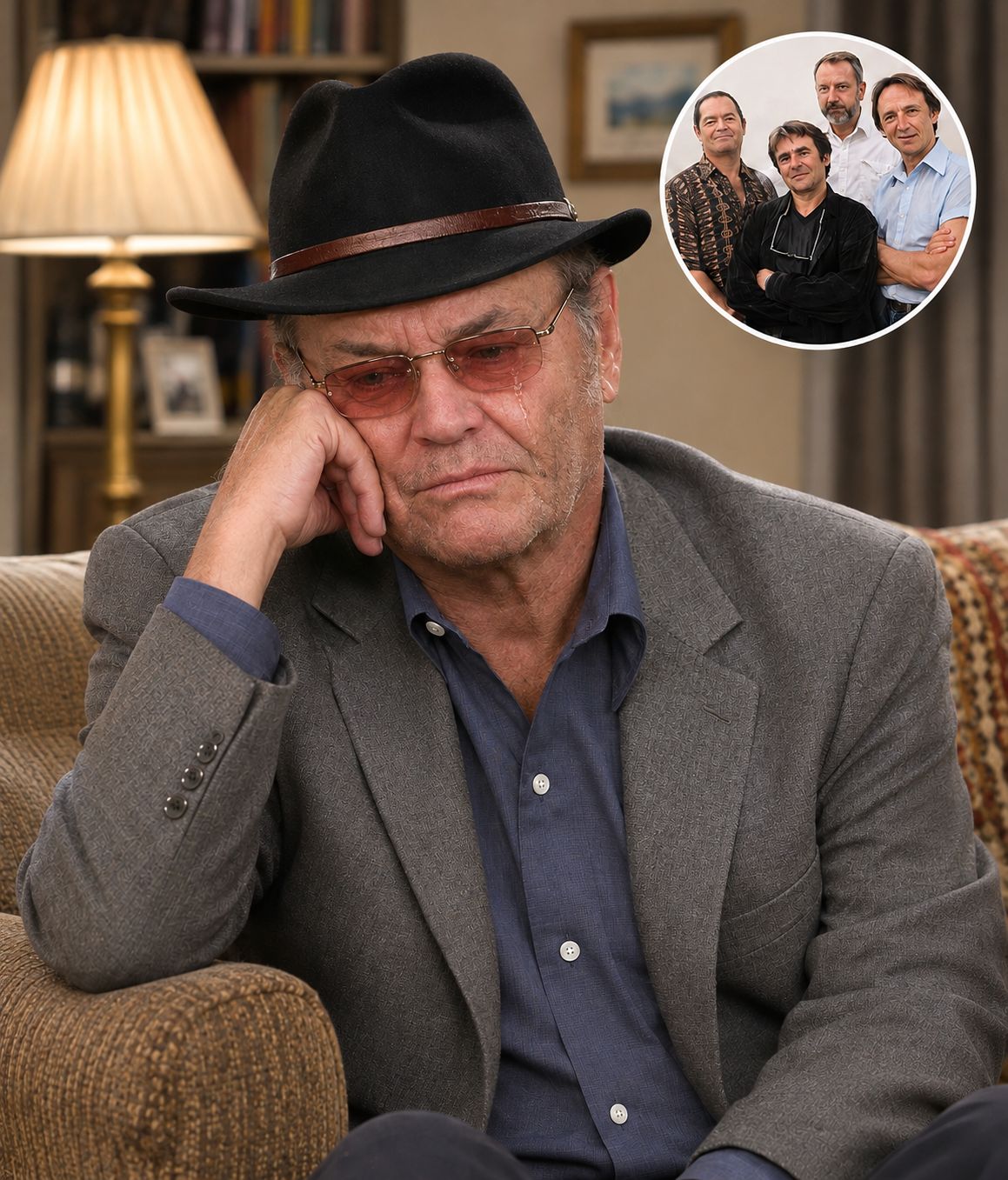
For millions of teenagers in the 1960s, The Monkees looked like the perfect band. Micky Dolenz, Davy Jones, Michael Nesmith and Peter Tork appeared on television every week, released hit records and seemed to be living the kind of carefree musical life young fans could only dream about. Behind the colorful clothes, comedy and screaming crowds, however, there was one uncomfortable reality the group could never completely escape.
At first, they were not treated like a real band.
The Monkees had been assembled for a television series about a fictional struggling rock group. Micky Dolenz later emphasized that they were originally the cast of a comedy show rather than four musicians who had formed naturally in a garage. Professional session musicians therefore played much of the instrumentation on the earliest recordings, while the four Monkees were primarily expected to provide vocals, television performances and personalities.
For Micky, that arrangement was unusual but understandable because he had already worked as an actor. For Mike Nesmith, it became deeply frustrating.
Nesmith had entered the project as a serious singer-songwriter and believed he would be able to write and record his own material. Micky later recalled that Mike felt misled when producers began rejecting his songs and limiting his control over the recordings. One particularly painful example came when Nesmith offered “Different Drum.” According to Dolenz, the response was essentially that it was not a Monkees song, even though Nesmith himself was one of the Monkees.
The contradiction was difficult to ignore.
On television, the four men were presented as a working band who rehearsed, argued about music and dreamed of becoming successful. In the recording studio, however, other musicians were often being trusted to play the parts that audiences assumed belonged to them.
As the hits became bigger, so did the criticism.
Some musicians and journalists dismissed The Monkees as manufactured entertainers who could not really play, a label that embarrassed and angered members of the group because it ignored their actual abilities. Peter Tork and Mike Nesmith were already accomplished musicians, while Micky learned drums for the television role and rapidly improved once the group began performing live.
Eventually, they pushed back.
The turning point came with Headquarters in 1967, when The Monkees gained much greater control and played most of the instruments themselves. The album became a statement as much as a collection of songs. It showed that the four men audiences knew from television were capable of functioning as an actual band when given the opportunity.
For Micky, the strange beginning has become easier to discuss with age.
He has repeatedly rejected the idea that The Monkees should simply be dismissed as a manufactured “boy band.” Instead, he describes them as actors cast for a television comedy who unexpectedly became something the creators had never fully planned: a real touring and recording group with its own musical identity.
That may be the most humiliating part of their early story.
The Monkees became famous for pretending to be a band before they were fully allowed to become one.
Yet what could
remained an embarrassment eventually became part of their legacy. They fought for control, proved themselves onstage and recorded music that continued attracting listeners long after the television series ended.
Nearly sixty years later, the irony is impossible to miss: the group once mocked for not being “real” created songs and memories real enough to survive almost everyone who doubted them.