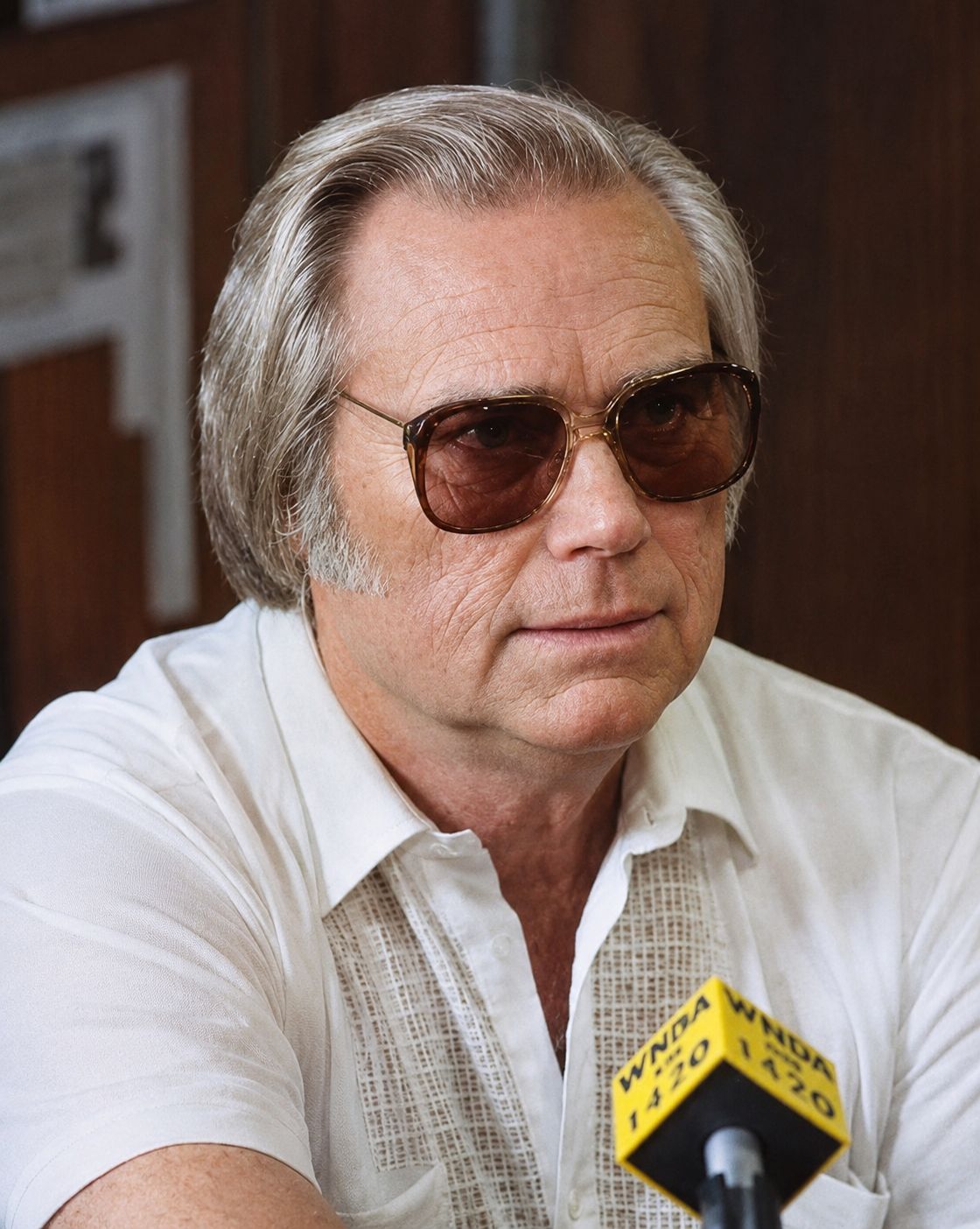
George Jones was married four times, and the woman who ultimately shared the final three decades of his life was Nancy Jones, the wife he credited with helping him survive some of his darkest years. They married in 1983, and her presence became closely tied to George’s gradual recovery from the drinking, drugs and chaos that had nearly destroyed both his career and his health. By the time he reached his later years, Nancy was the person beside him, and George never hid how important she had become.
Yet another woman remained permanently connected to a different part of his heart.
Tammy Wynette had been George’s wife, duet partner and one of the most important musical relationships of his life. Their marriage ended in 1975 after years of drinking, arguments and instability, but divorce did not erase the emotional connection as cleanly as outsiders might have expected.
Two years after their marriage ended, George admitted something striking. Speaking about Tammy in 1977, he said they were getting along better than they had while married and added, “I think we still love each other. I know I love her.” It was not a declaration that they should reunite. Instead, it revealed how difficult it was for George to separate the failed marriage from the feelings that had once existed beneath it.
Years later, George described the beginning of their relationship in an equally revealing way.
He said he and Tammy had admired each other’s work so much that they had essentially fallen in love with each other’s singing. That explanation helps make sense of why their connection survived in music even when their home life could not. Their voices had been part of the attraction from the beginning, and after the marriage ended, they continued recording together because the musical bond remained unusually powerful.
Time eventually softened some of the anger.
In 1995, George and Tammy reunited for the album One. What makes that reunion especially meaningful is that Nancy helped make it happen. George later recalled that when Tammy became seriously ill, Nancy insisted they visit her in the hospital. George told Tammy she needed to recover so they could make another record together, and Nancy later worked behind the scenes with Tammy’s husband, George Richey, to help turn that idea into reality.
That detail changes the story.
Nancy did not need George to erase Tammy in order to love him. She understood that Tammy occupied a unique place in his musical history and in the complicated past that had shaped him. George himself, speaking at age 80, said Tammy’s death was something he was reminded of constantly because their duets remained such a large part of his history and because they shared a daughter, Georgette Jones. He also said simply that he had always loved singing with Tammy because their voices had been the great attraction between them.
By then, George had long since built another life.
Nancy was his wife, his companion and the person who stayed beside him through the years when he finally found greater stability. Tammy belonged to another chapter, one filled with love, damage, music and regrets that neither time nor divorce could completely rewrite.
The two relationships should not be treated as a competition.
Nancy represented the life George was able to build after years of chaos. Tammy represented a love and musical connection that had helped define who he had been before that recovery. Both mattered, but in very different ways.
Before George Jones died in 2013, he did not claim that he should have gone back and changed the past. What remained was something quieter: the acknowledgment that Tammy Wynette had become part of his story so deeply that even decades later, hearing their voices together could still bring her back into the room.