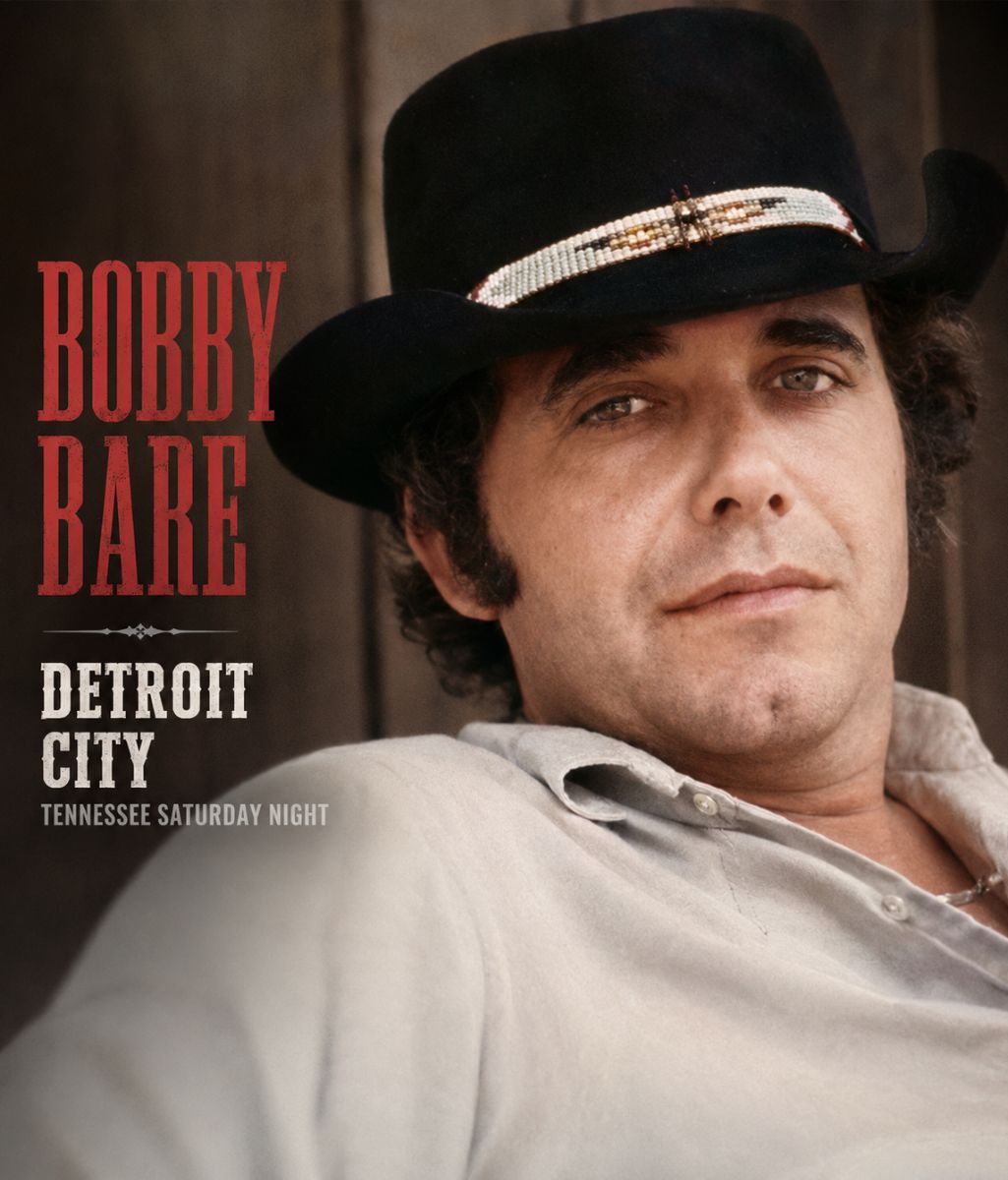
Released in 1963, “Detroit City” became one of the defining songs of Bobby Bare’s career and one of country music’s most memorable portraits of loneliness and homesickness. Written by Danny Dill and Mel Tillis, the song tells the story of a Southern man who leaves home in search of a better life, only to discover that success far from the people he loves can feel painfully empty.
At the heart of “Detroit City” is a conflict many listeners immediately understand: the difference between how life looks from the outside and how it feels on the inside. The narrator writes home as though everything is going well, hiding the truth that he is struggling, lonely, and desperate to return to the life he left behind. That quiet sense of pride makes the song even more heartbreaking.
Bare’s performance gives the story its emotional weight. His voice is restrained and conversational, never pushing the sadness too hard. Instead, he sounds like a man carrying disappointment quietly, which allows the loneliness in the lyrics to feel natural rather than theatrical.
The song also speaks to something larger than one man in Detroit. For generations of workers who left small towns and rural communities to find jobs in distant cities, “Detroit City” reflected a familiar sacrifice — earning a living while missing the people and places that made life feel like home.
Bare’s recording became a major breakthrough and later earned him a Grammy for Best Country & Western Recording. Yet its lasting importance goes beyond awards or chart success. “Detroit City” endures because its message remains deeply human: sometimes the dream we chase can make us realize just how much we valued what we left behind.