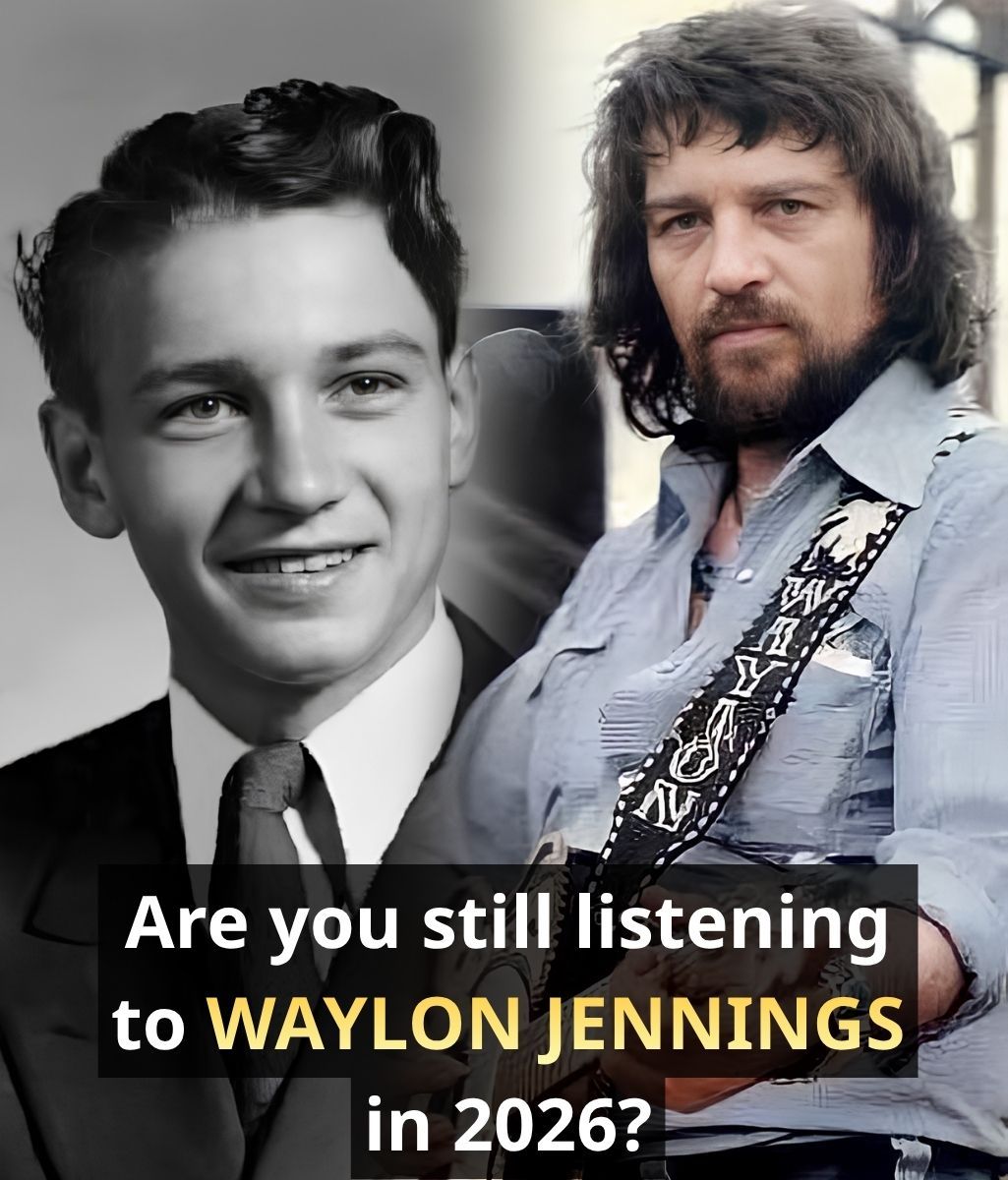
Some songs climb the charts and slowly fade into history. Others become something much greater. “Luckenbach, Texas (Back to the Basics of Love),” released in 1977, became far more than another No. 1 hit for Waylon Jennings. It evolved into a timeless anthem that captured the hearts of millions of Americans who longed for a slower pace of life, honest friendships, and the freedom to live on their own terms. Nearly five decades later, the song remains one of the defining recordings of the Outlaw Country movement and one of the most recognizable classics in country music history.
By the time the song arrived, Waylon Jennings had already established himself as one of country music’s most influential artists. He had spent years challenging the traditional Nashville system, fighting for creative control over his recordings, and helping reshape the direction of country music alongside artists like Willie Nelson, Jessi Colter, and Tompall Glaser. His rebellious spirit had earned him a loyal audience, but “Luckenbach, Texas” introduced another side of Waylon—one that was thoughtful, reflective, and deeply connected to ordinary people.
Ironically, Waylon Jennings did not write the song himself. It was written by Chip Moman and Bobby Emmons, two respected songwriters who imagined a place where life was uncomplicated and love mattered more than wealth or social status. When Waylon first heard the song, he immediately recognized that its message perfectly reflected the values he had embraced throughout his life. He didn’t simply record the lyrics—he lived them.
The song paints a picture of leaving behind the pressures of success and returning to “the basics of love.” Rather than celebrating fame, expensive lifestyles, or endless ambition, it reminds listeners that true happiness often comes from the simple things: spending time with family, sharing laughter with friends, listening to good music, and finding peace away from the demands of modern life. That message resonated with millions of listeners who felt overwhelmed by an increasingly fast-changing world.
One of the most memorable moments in the song is the reference to Willie Nelson, whose name appears naturally in the lyrics. The mention was more than a clever line—it symbolized the friendship between two men who helped redefine country music during the 1970s. Together, Waylon Jennings and Willie Nelson became the faces of Outlaw Country, a movement that encouraged artists to take creative control of their music instead of following strict commercial formulas. Their friendship gave even greater authenticity to the song, making it feel less like a performance and more like a genuine conversation between old friends.
Perhaps the greatest surprise is that Luckenbach itself is an incredibly small town in Texas. Long before the song became famous, very few people outside the state had ever heard of it. Yet after the record reached No. 1 on the Billboard Hot Country Songs chart, the tiny community became one of the most recognizable places in country music. Fans traveled from across America simply to see the town that had inspired such a powerful symbol of freedom and simplicity. In many ways, Luckenbach became less of a destination and more of a state of mind.
The success of the record also reinforced Waylon Jennings’ reputation as one of country music’s greatest storytellers. Unlike many hit songs built around elaborate production, “Luckenbach, Texas” succeeded because of its honesty. Waylon’s unmistakable voice carried every lyric with warmth, confidence, and quiet wisdom. He never sounded like he was trying to convince listeners of anything. Instead, he sounded like a lifelong friend sharing an important lesson learned through experience.
As the years passed, the song continued to grow in significance. New generations discovered it not because it followed musical trends, but because its message never became outdated. Every era produces people who grow tired of constant pressure, endless competition, and the pursuit of more possessions. “Luckenbach, Texas” offers a gentle reminder that fulfillment cannot always be measured by success or wealth. Sometimes, the richest life is built on meaningful relationships, honest work, and moments of quiet contentment.
For Waylon Jennings, the song represented far more than another chart-topping single. It reflected the principles that had guided his remarkable career. Throughout his life, he consistently chose artistic freedom over conformity, authenticity over popularity, and personal conviction over commercial expectations. Those choices helped shape not only his legacy but also the future of country music itself.
Today, nearly fifty years after its release, “Luckenbach, Texas” continues to be celebrated as one of the greatest country songs ever recorded. It remains a favorite on classic country radio, a staple of tribute concerts, and an enduring symbol of the values that defined the Outlaw Country era. Its influence reaches far beyond music, reminding listeners that life’s greatest rewards are often found in places where fame, fortune, and status no longer matter.
In the end, Waylon Jennings didn’t just sing about Luckenbach, Texas—he gave the world a timeless reminder of what truly matters. That is why the song has never faded from the hearts of country music fans. It isn’t remembered simply because it reached No. 1, but because it continues to inspire people to slow down, cherish the people they love, and never lose sight of the simple joys that make life worth living.