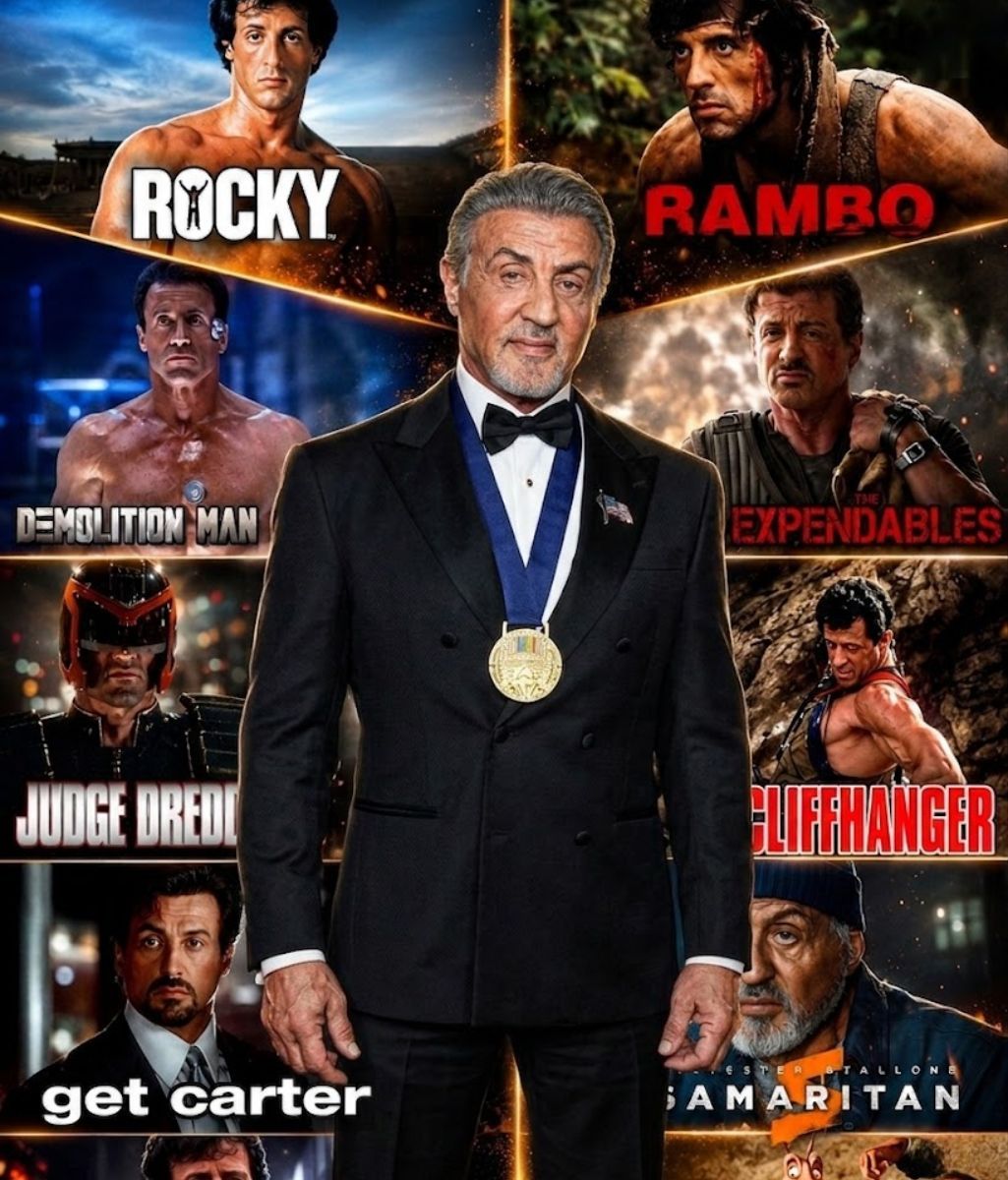
 REJECTED OVER 600 TIMES—Then One Bold Decision Changed Hollywood Forever
Some stories are so extraordinary that they sound like they were written for the movies. Yet every once in a while, a real-life journey emerges that is even more inspiring than any script Hollywood could create. The story of Sylvester Stallone is one of those rare examples—a remarkable tale of perseverance, determination, and unwavering belief in oneself.
Today, millions of people around the world recognize Stallone as one of the most iconic figures in film history. His name is synonymous with resilience, courage, and unforgettable characters that have inspired generations. But long before the fame, the awards, and the global recognition, his reality looked very different.
Before becoming a household name, Sylvester Stallone faced years of disappointment and rejection. He dreamed of becoming an actor, yet success seemed impossible to reach. Audition after audition ended the same way—with another rejection. Industry professionals repeatedly told him he wasn’t the right fit. Some doubted his appearance, while others questioned whether he could ever become a leading man.
According to widely shared accounts, Stallone endured more than 600 unsuccessful auditions before receiving his breakthrough opportunity. For most people, such relentless rejection would have been enough to give up. Yet Stallone refused to abandon his dream.
During those difficult years, financial struggles became a daily reality. Life was far from glamorous. He faced tremendous uncertainty about his future and often had little reason to believe success was around the corner. Every day presented a new challenge, and every setback tested his resolve.
But sometimes, the most difficult moments become the foundation for the greatest achievements.
Everything changed when Stallone found inspiration for a story that would eventually become one of the most beloved films in cinematic history. Motivated by the idea of an underdog refusing to quit, he sat down and began writing what would become Rocky.
What makes the story even more remarkable is the speed at which it happened. Stallone reportedly completed the screenplay in just a few days, pouring his passion, personal experiences, and belief in perseverance into every page. The script told the story of an ordinary man given an extraordinary opportunity—a theme that mirrored Stallone’s own life in many ways.
When studios expressed interest in purchasing the screenplay, it seemed like his financial problems might finally be over. Offers began to arrive, and some included amounts of money that would have significantly changed his circumstances overnight.
Yet there was one condition Stallone refused to compromise on.
He wanted to play the lead role himself.
Studio executives were hesitant. They liked the script but were uncertain about casting an unknown actor as the film’s central character. Some offered more money if he would simply sell the script and allow someone else to star in the movie.
For many aspiring writers, accepting such an offer would have seemed like the logical choice. After all, financial security was desperately needed. But Stallone believed in something greater than immediate comfort. He believed in his vision.
Instead of taking the easier path, he stood firm.
That decision would ultimately become one of the most important choices in entertainment history.
Eventually, a deal was reached that allowed Stallone to play Rocky Balboa, the determined boxer who refuses to surrender in the face of overwhelming odds. The film was released and quickly captured the hearts of audiences around the world.
What happened next exceeded even the most optimistic expectations.
Rocky became a cultural phenomenon. Critics praised its storytelling, audiences connected deeply with its message, and the film achieved extraordinary success. It went on to win major awards and became one of the most celebrated movies ever produced.
More importantly, Rocky represented something universal.
It reminded people that success is not reserved for the most talented, the wealthiest, or the most connected. Sometimes, success belongs to those who simply refuse to quit. It belongs to those who continue moving forward despite setbacks, criticism, and uncertainty.
The parallels between Stallone’s life and the character he portrayed were impossible to ignore. Both were underestimated. Both faced overwhelming obstacles. And both achieved greatness because they refused to stop believing in themselves.
Decades later, the story continues to inspire entrepreneurs, athletes, artists, students, and dreamers from every walk of life. It serves as a powerful reminder that rejection is not the end of the journey. Failure is not a permanent destination. Challenges do not define a person’s future.
What truly matters is the courage to keep going when success feels far away.
The legacy of Sylvester Stallone extends far beyond movies. His journey stands as proof that determination, persistence, and self-belief can transform even the most unlikely circumstances into extraordinary opportunities.
In the end, his story is more than a Hollywood success story.
It is a timeless reminder that sometimes the greatest victories belong to those who are willing to bet on themselves when nobody else will.
And that is why the journey of Sylvester Stallone remains one of the greatest underdog stories ever told.