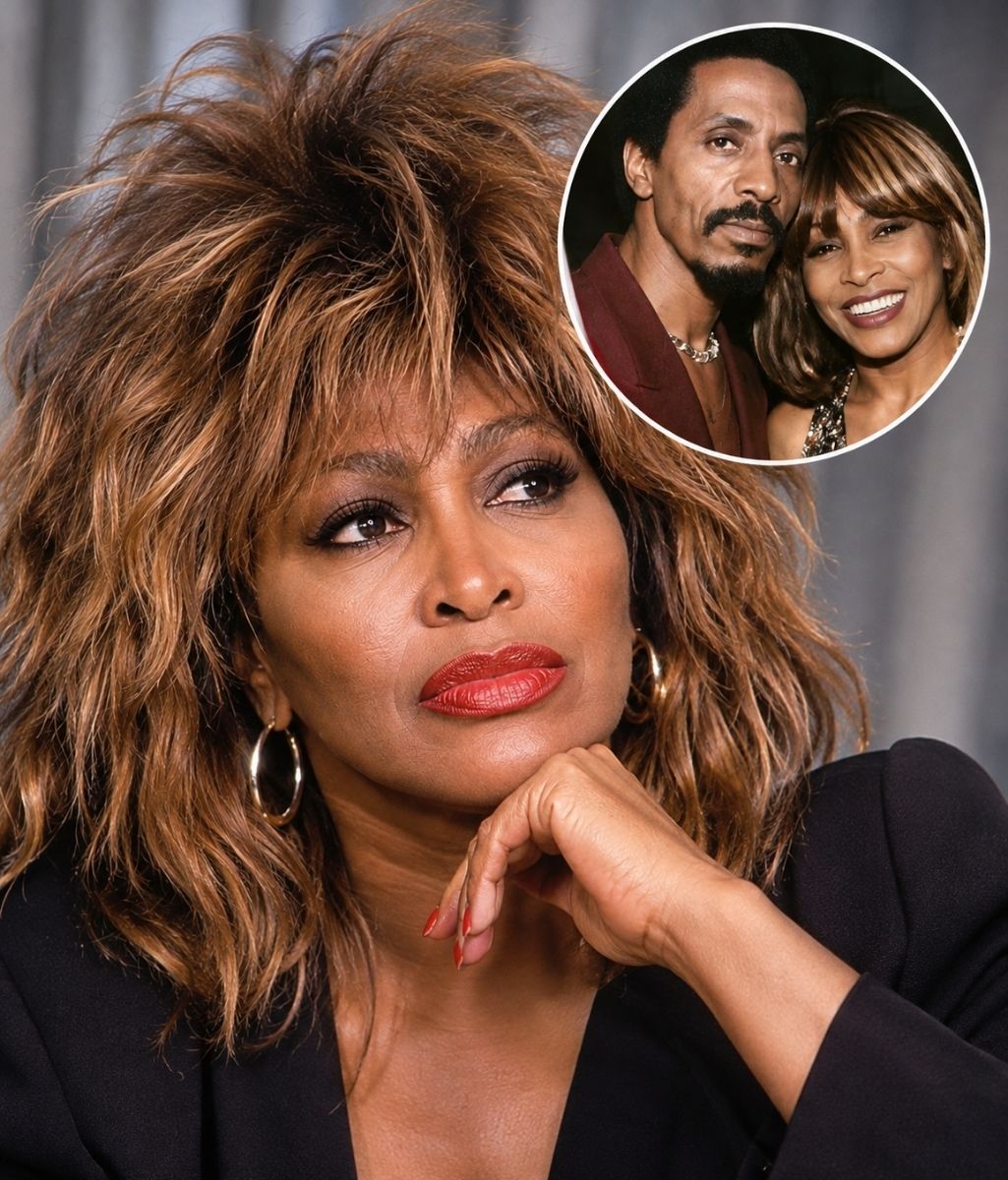
During the 1960s and early 1970s, Tina Turner appeared to possess a strength that few performers could match. Her extraordinary voice, explosive movements and commanding stage presence made the Ike & Tina Turner Revue one of the most exciting live acts in popular music. Audiences watched her perform songs such as “Proud Mary” and “River Deep – Mountain High,” never fully understanding how different her life could be once she stepped away from the microphone.
Behind the glamorous costumes and electrifying performances, Tina was enduring years of physical violence, emotional abuse and controlling behavior at the hands of her husband and musical partner, Ike Turner. What made her circumstances particularly complicated was that the man responsible for much of her suffering was also the person who controlled significant aspects of her professional life.
Born Anna Mae Bullock in Tennessee, Tina was still a young woman when she entered Ike’s musical world during the late 1950s. She initially admired his musical abilities and appreciated the opportunity he gave her to develop as a performer. However, as their professional relationship evolved into marriage, the freedom she had imagined finding through music became increasingly difficult to achieve.
In later interviews and autobiographies, Tina described how Ike’s behavior created an atmosphere in which she constantly feared upsetting him. His violent outbursts could occur even before scheduled performances, leaving her with little opportunity to recover emotionally or physically before facing an audience. The woman who appeared fearless beneath the stage lights was often struggling privately with circumstances that her fans knew nothing about.
Even as their records became internationally successful, Tina’s personal circumstances remained deeply troubled. Leaving meant risking her livelihood, financial security and the professional identity she had spent years establishing, while remaining meant continuing to endure a relationship that had already caused considerable suffering.
The decisive turning point arrived in July 1976, during a tour stop in Dallas, Texas. Following another violent confrontation with Ike, Tina reached a moment when she knew she could no longer continue living under his control. She left their hotel and sought refuge at another establishment, carrying only 36 cents and a Mobil credit card.
Although she had become an internationally recognized performer, Tina suddenly found herself facing an uncertain future with almost no money immediately available to her. When their divorce was finalized in 1978, she retained the right to perform under the name Tina Turner, preserving the professional identity that would become essential to rebuilding her career.
The following years were far from glamorous, as Tina accepted nightclub engagements, television appearances and smaller performances while struggling to establish herself independently. Record executives were reluctant to invest in an older female artist whose greatest commercial successes appeared to belong to the past, but Tina continued pursuing the career she wanted.
In 1981, she publicly discussed the abuse in an interview with PEOPLE magazine, allowing audiences to understand what she had endured during the years when her performances had brought them so much happiness. Her willingness to speak openly about domestic violence was particularly significant at a time when such experiences were rarely discussed publicly by major celebrities.
Three years later, the release of Private Dancer transformed her circumstances beyond anything the industry had expected. At 44, Tina achieved international superstardom as a solo artist, with “What’s Love Got to Do With It” becoming her only solo No. 1 single on the Billboard Hot 100.
Nevertheless, professional success did not completely erase the emotional consequences of her past. The filmmakers behind the 2021 documentary TINA revealed how painful it remained for her to revisit those experiences, reminding audiences that surviving abuse and recovering from its lasting effects are not necessarily the same thing.
In her later years, Tina found companionship with Erwin Bach, whom she married in 2013, and built a peaceful private life in Switzerland. After decades of struggling for independence, she finally enjoyed the freedom to decide how she wanted to live.
The greatest triumph of Tina Turner’s life was not simply becoming the Queen of Rock and Roll. It was reclaiming ownership of her voice, her identity and her future after years of being denied that freedom. Millions remembered her extraordinary strength onstage, but the courage she demonstrated when she walked away in 1976 remains one of the most powerful chapters of her extraordinary life.