By the time Elvis Presley became known around the world as the King of Rock ’n’ Roll, popular music had already begun changing.
Blues artists had been electrifying audiences for years. Country musicians were experimenting with faster rhythms. Gospel had shaped some of the most powerful voices in American music, while rhythm and blues records were already attracting young listeners across racial and regional lines.
Elvis did not invent those sounds.
What he did was bring them together in a way that millions of people could no longer ignore.
The turning point came in Memphis in 1954.
At Sun Records, Elvis began working with guitarist Scotty Moore and bassist Bill Black under producer Sam Phillips. During one session, Elvis casually began singing Arthur “Big Boy” Crudup’s blues song “That’s All Right” in a completely different style. Moore and Black joined him, Phillips heard something unusual, and the group recorded it seriously.
That spontaneous performance helped create one of the defining sounds of early rock ’n’ roll.
The other side of the record made the experiment even more revealing.
Elvis recorded Bill Monroe’s “Blue Moon of Kentucky,” a bluegrass standard, but transformed it with a driving rhythm and youthful energy. One side came from the blues tradition, while the other came from country music.
Together, they sounded like something new.
The Library of Congress later described Elvis’s Sun recordings as sessions that not only launched his career but also helped create the rock ’n’ roll era.
What happened next changed far more than record sales.
By 1956, Elvis had moved to RCA and exploded into national fame. His recordings mixed country, blues, gospel, pop and rockabilly, while his stage performances added another element audiences had never experienced on that scale.
He moved differently.
He sang with an emotional freedom that felt closer to rhythm and blues than traditional pop.
He also looked unlike the polished singers who had dominated mainstream entertainment before him.
The reaction was immediate.
Teenagers loved him.
Parents, television executives and cultural critics often did not.
Some broadcasts famously framed Elvis only from the waist up because his movements were considered too provocative for television. That controversy only made young audiences more fascinated.
Elvis had become more than a singer.
He had become proof that popular music could belong to the young.
The Rock & Roll Hall of Fame credits him with blending blues, country, gospel and other roots traditions into a sound that helped bring rock ’n’ roll to a massive mainstream audience.
That influence came with an important complication.
Much of the music Elvis loved had been created and developed by Black artists who had received far less mainstream exposure. He openly drew from blues, gospel and R&B traditions, and his success occurred within an industry that often gave white performers greater access to national radio, television and commercial promotion.
Elvis did not create those traditions, but his popularity helped carry sounds rooted in them into millions of homes that might otherwise never have encountered them.
That cultural crossover remains one of the most debated and important parts of his legacy.
His influence also reached far beyond sound.
Elvis changed what a male pop star could look like and how one could behave onstage. He helped establish the model of the singer as a complete cultural figure whose clothes, hair, movement, attitude and personality mattered almost as much as the records.
Later generations of performers would build on that idea.
Rock stars became more visual.
Concerts became more theatrical.
The relationship between artist and audience became more intense.
Even the idea of reinvention became part of the Elvis story.
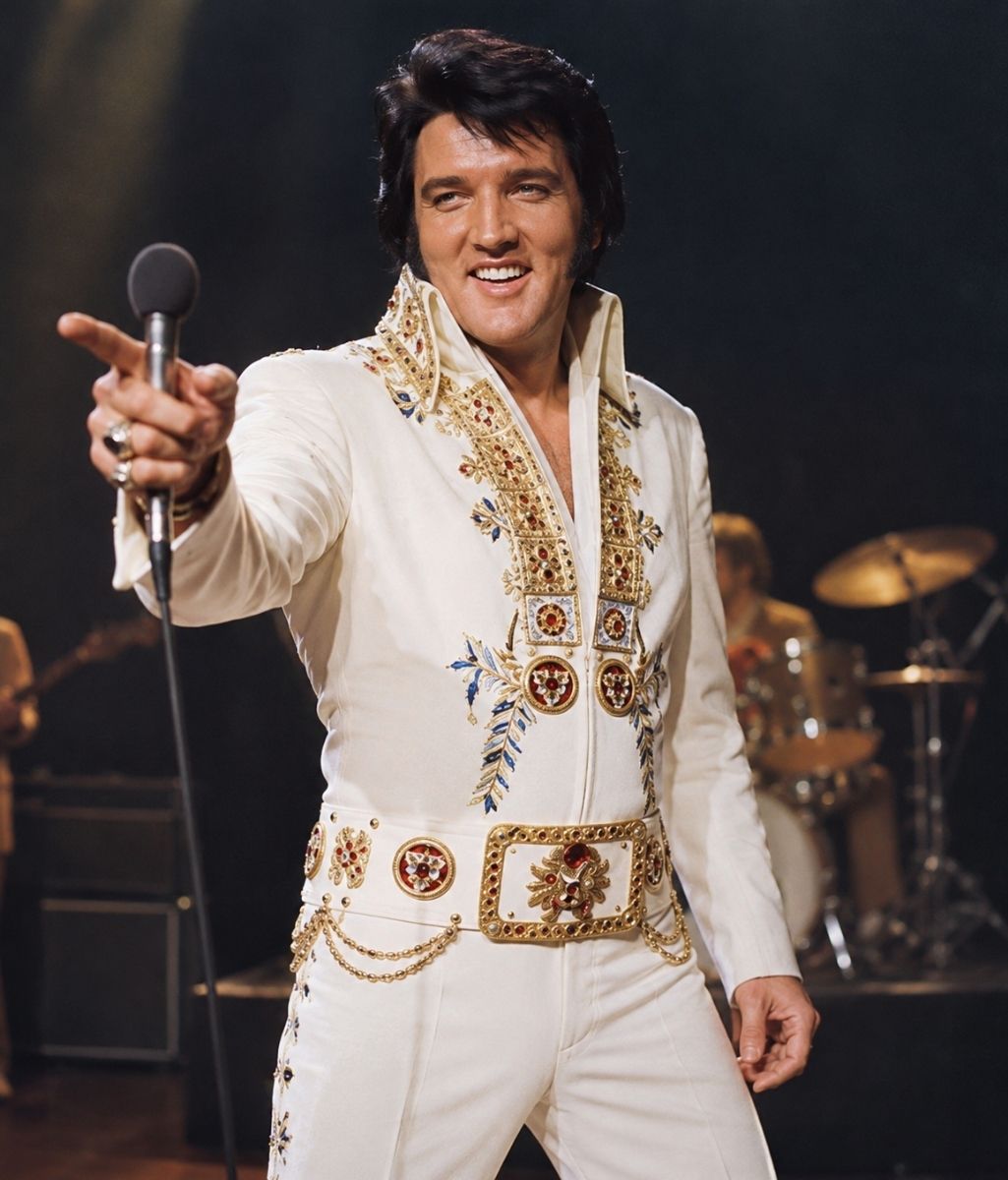
He moved from rebellious young rockabilly singer to Hollywood star, from gospel performer to ballad singer, and eventually to the jumpsuit-wearing Las Vegas showman recognized around the world.
The styles changed, but the central idea remained the same.
Elvis understood how to make a song feel larger than the recording itself.
That may be the part of his story even longtime fans sometimes underestimate.
His greatest impact was not simply that he had an extraordinary number of hits.
It was that he helped change the way popular music was heard, performed, marketed and experienced.
Before Elvis, rock ’n’ roll was already forming through the work of many artists.
After Elvis, the world could no longer pretend it was a passing sound.
The King did not create rock ’n’ roll alone, but he became the figure who carried its energy into the center of popular culture. His voice, movement and fearless combination of musical traditions helped turn a regional revolution into a global one, and music was never quite the same afterward.