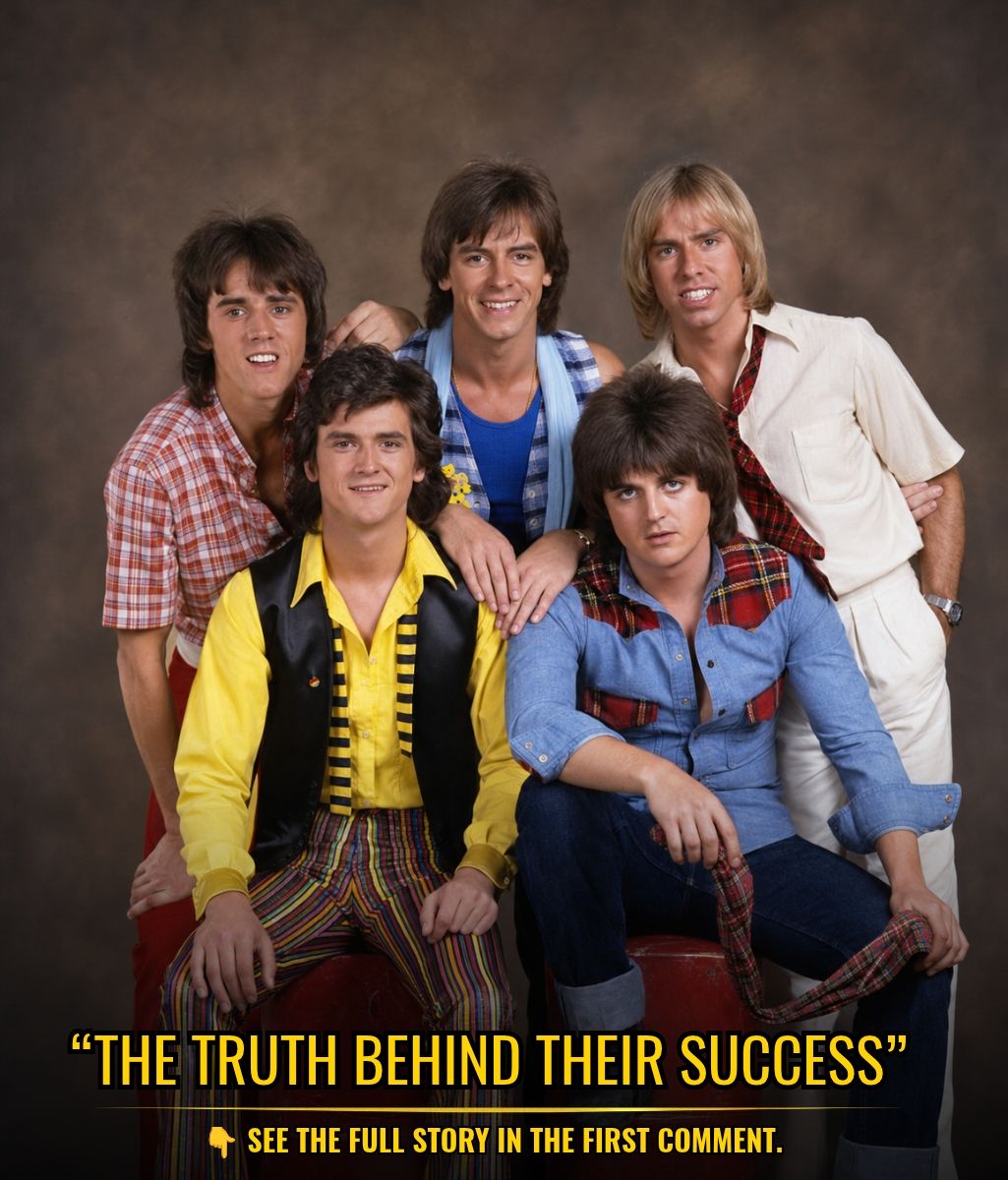
For a brief period in the 1970s, The Bay City Rollers seemed to have everything a young band could possibly want.
Their faces covered magazines, teenagers screamed wherever they appeared, and tartan scarves became a symbol of a phenomenon so intense that the press called it “Rollermania.” Songs such as “Shang-a-Lang,” “Bye Bye Baby,” “Saturday Night” and “Give a Little Love” turned five young Scots into international stars, and to the fans watching from the outside, their lives looked almost impossibly exciting.
Behind the scenes, however, the experience was very different.
At the center of the band’s rise was manager Tam Paton, who exercised enormous control over the group’s career and public image. Former members later described a system in which young musicians had little power over the decisions being made around them. Paton could influence who joined the group, who left and how the Rollers were presented to the world.
As the years passed, much darker stories emerged.
Former members and other men accused Paton of sexual abuse, coercion and manipulation. In the 2023 ITV documentary Secrets of the Bay City Rollers, former Roller Pat McGlynn and others spoke about experiences they said had remained hidden for decades. The documentary also examined claims that aspiring young musicians were put in situations where access to a career could become connected to sexual demands from powerful adults.
Paton’s history was not limited to allegations.
In 1982, he served part of a prison sentence after pleading guilty to indecent acts involving teenage boys. That conviction later gave even more weight to questions about the environment surrounding the band during its rise.
The consequences appear to have followed some of the musicians long after Rollermania disappeared.
The family of late frontman Les McKeown later described him as a deeply troubled man who struggled for years with substance abuse and anger. According to the ITV documentary, his widow and son said they only later came to understand the connection between some of his problems and experiences from his youth.
There was another wound that lasted almost as long: money.
Despite the enormous number of records sold during the group’s peak, former members repeatedly argued that they never received the royalties they believed they were owed. Long after the screaming crowds had disappeared, several Rollers became involved in legal battles over unpaid earnings, turning what should have been the financial reward for extraordinary success into another source of frustration and bitterness.
That contrast is what makes their story so difficult to forget.
The public saw five young men living a dream. The members themselves were operating inside an industry where older managers, executives and business interests often held far more power than the performers whose faces actually sold the records.
The smiles on television were real, but they did not tell the whole story.
Neither did the screaming fans, the chart positions or the piles of tartan merchandise.
For some members, fame brought opportunity and unforgettable experiences, but it also came with pressure, exploitation and personal wounds that could not simply be left backstage when the concerts ended.
That knowledge changes the way Rollermania looks today.
Fans can still cherish the songs and remember what “Saturday Night” or “Bye Bye Baby” meant when they first heard them. The joy those records created was genuine, and nothing about the darker history takes that memory away.
But the men inside the phenomenon were living a far more complicated story than the one printed in teenage magazines.
The Bay City Rollers had the fame that thousands of young bands dreamed of achieving, yet their history became a reminder that enormous success does not always mean freedom. Sometimes the brightest spotlight can hide the darkest things happening just beyond the stage.