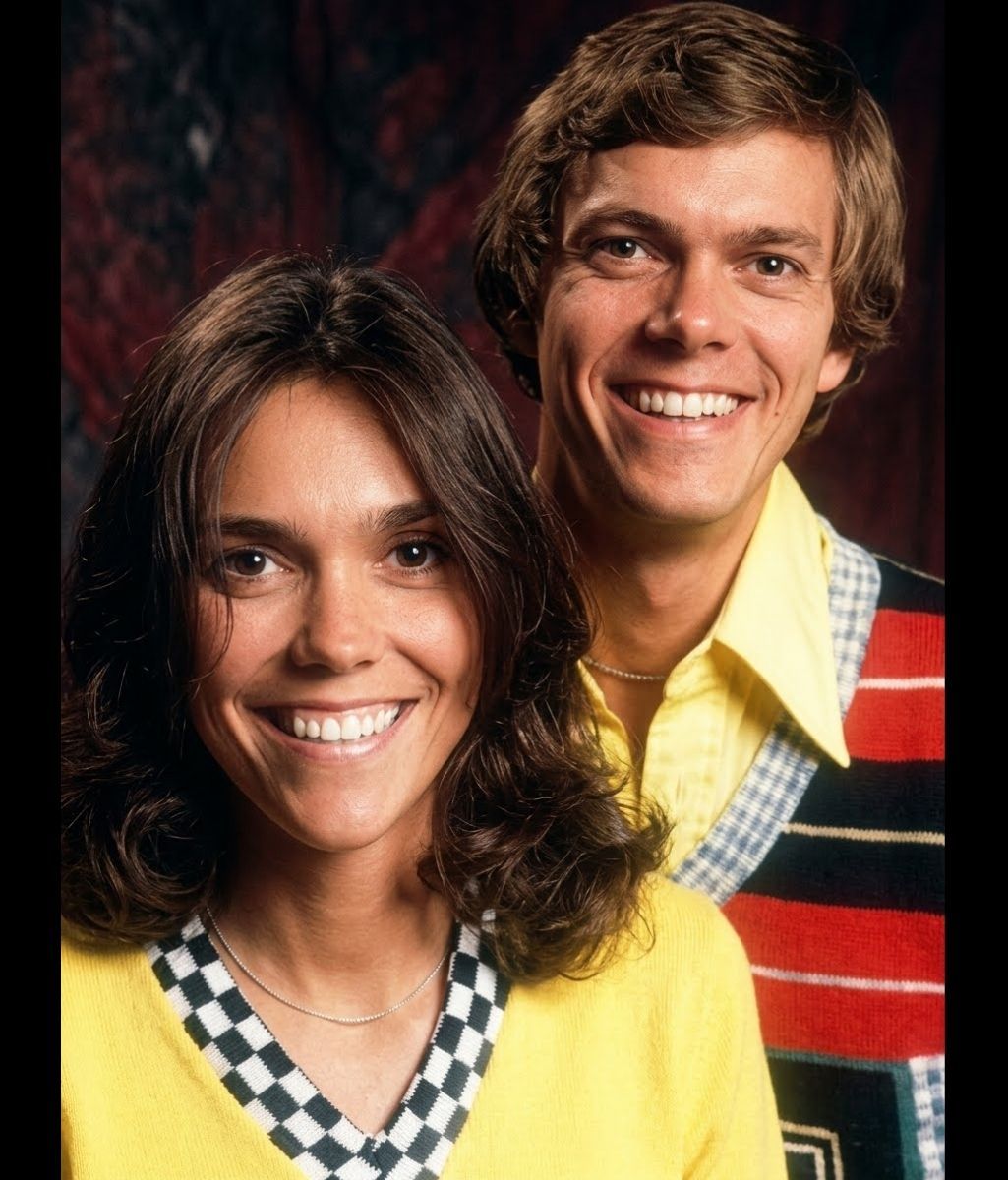
Long before playlists and streaming services, there was a song that seemed to drift through living rooms, car radios, and quiet evenings like a gentle conversation. When The Carpenters released “Close to You” in 1970, few could have predicted that it would become one of the defining love songs of an entire generation.
Written by the legendary songwriting team Burt Bacharach and Hal David, the song had existed for several years before it found its perfect voice. That voice was Karen Carpenter, whose warm, heartfelt vocals transformed a beautiful composition into something unforgettable. Backed by the elegant arrangements of her brother Richard Carpenter, the recording became an instant classic, reaching No. 1 on the Billboard Hot 100 and launching The Carpenters into worldwide stardom.
What made “Close to You” so special wasn’t dramatic lyrics or elaborate production. Its magic came from its simplicity. The opening piano notes, Karen’s gentle delivery, and the timeless question—“Why do birds suddenly appear?”—created a feeling that listeners immediately recognized. It was a song about admiration, hope, and the quiet wonder of finding someone who makes the world seem brighter.
For millions of fans, the song became woven into life’s most meaningful moments. It played at weddings, anniversaries, first dances, and family gatherings. Decades later, hearing those familiar melodies still has the power to transport listeners back to a cherished memory, reminding them of a person, a place, or a season of life they never forgot.
More than fifty years after its release, “Close to You” remains one of The Carpenters’ signature recordings. It stands as a testament not only to Karen Carpenter’s extraordinary voice but also to the timeless beauty of songs that speak softly instead of shouting. In an era where music often changes with every trend, this gentle masterpiece continues to prove that sincerity never goes out of style.
Some songs become hits.
A rare few become memories.
“Close to You” became both—and that is why it still feels as comforting today as it did the first time the world heard Karen Carpenter sing those unforgettable words.