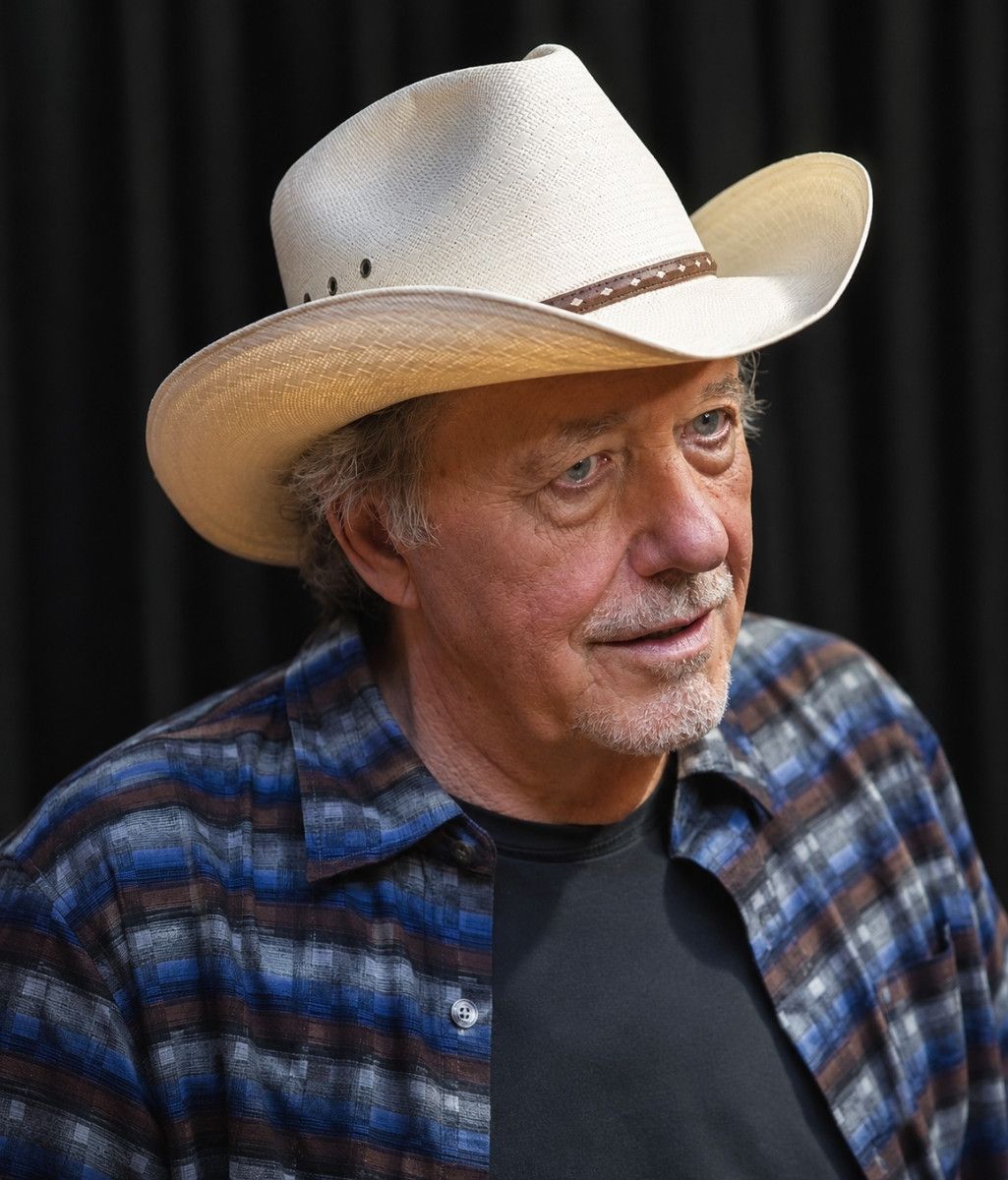
At 90 years old, Bobby Bare is more than a country music legend—he is a living bridge between the genre’s past and present. Long before the Outlaw movement challenged Nashville’s traditions, Bare was already standing up for artistic freedom, proving that great songs should answer to audiences, not boardrooms. Through decades of unforgettable storytelling, fearless choices, and timeless recordings, he helped shape country music into what it is today.
History often remembers the loudest voices. But sometimes, the people who change everything are the ones who never needed to raise theirs.
Long before the Outlaw movement swept through Nashville with long hair, leather jackets, and a rebellious spirit, Bobby Bare was quietly challenging the system in his own way. Armed with little more than an acoustic guitar, remarkable instincts, and an unwavering belief in honest storytelling, he became one of the first artists willing to push back against an industry that often valued conformity over creativity.
He never set out to become a revolutionary.
He simply wanted to sing the songs he believed in.
When Bobby Bare arrived in Nashville, the music business operated under strict expectations. Record labels frequently controlled what artists recorded, how they dressed, and even the image they presented to the public. Success often depended on fitting neatly into a carefully designed commercial formula.
Bare never seemed entirely comfortable with that approach.
Instead, he trusted great songs—whether they were funny, heartbreaking, unconventional, or deeply personal. He believed audiences connected with authenticity far more than perfection, and over time, that philosophy became one of the defining characteristics of his remarkable career.
His breakthrough came with recordings like “Detroit City,” a song that captured the loneliness and homesickness of working-class Americans chasing opportunity far from home. Rather than offering glamorous stories, Bare sang about ordinary people facing extraordinary struggles. His voice carried empathy instead of judgment, allowing listeners to see pieces of their own lives reflected in every lyric.
That gift for storytelling would become his signature.
Throughout the following decades, Bobby Bare recorded an astonishing range of material. Songs like “500 Miles Away from Home,” “The Winner,” “Drop Kick Me, Jesus,” and “Marie Laveau” demonstrated that country music could be emotional, humorous, daring, and thought-provoking all at once. He never allowed himself to be confined to a single style because he understood that life itself could never fit inside one category.
Fellow musicians noticed.
Long before artistic independence became fashionable in Nashville, many younger performers looked to Bobby Bare as proof that it was possible to build a career without sacrificing personal integrity. His willingness to record unconventional material and work with exceptional songwriters opened doors that others would later walk through. In many ways, he helped lay the groundwork for the creative freedom embraced by the Outlaw movement that followed.
Yet Bare rarely sought credit for changing the industry.
Those who know him best often describe him not as a rebel seeking attention but as an artist committed to honesty. He believed the best country songs were rooted in real people, real emotions, and real experiences. That philosophy shaped every chapter of his career, earning him the admiration of fellow artists across multiple generations.
As the years passed, the accolades naturally followed. Bobby Bare became a Grammy Award winner, recorded dozens of influential albums, and was eventually inducted into the Country Music Hall of Fame, securing his place among the most important figures the genre has ever known. But statistics alone cannot explain his legacy.
His true influence can be heard every time a country artist chooses authenticity over commercial trends, every time a songwriter tells an uncomfortable truth, and every time a performer believes that a powerful story matters more than polished perfection.
Now, at 90 years old, Bobby Bare represents something increasingly rare—a living connection to one of country music’s most transformative eras. He has witnessed the genre evolve through countless generations, from traditional country to the Nashville Sound, through the rise of the Outlaws, and into the modern era. Through every change, he remained remarkably consistent, guided by the same values that shaped him from the beginning: honesty, humility, and respect for a well-written song.
Perhaps that is why his music continues to resonate so deeply today.
In a world that often celebrates the newest sensation, Bobby Bare reminds us that lasting greatness is built over decades, not moments. His legacy is measured not only by the hits he recorded but by the countless artists he inspired, the boundaries he quietly pushed, and the stories he entrusted to future generations.
Ninety years have brought countless memories, unforgettable songs, and well-earned honors. Yet Bobby Bare’s greatest achievement may be something far simpler. He proved that one honest voice, one acoustic guitar, and one unwavering belief in the power of storytelling could leave a mark on country music that time could never erase.