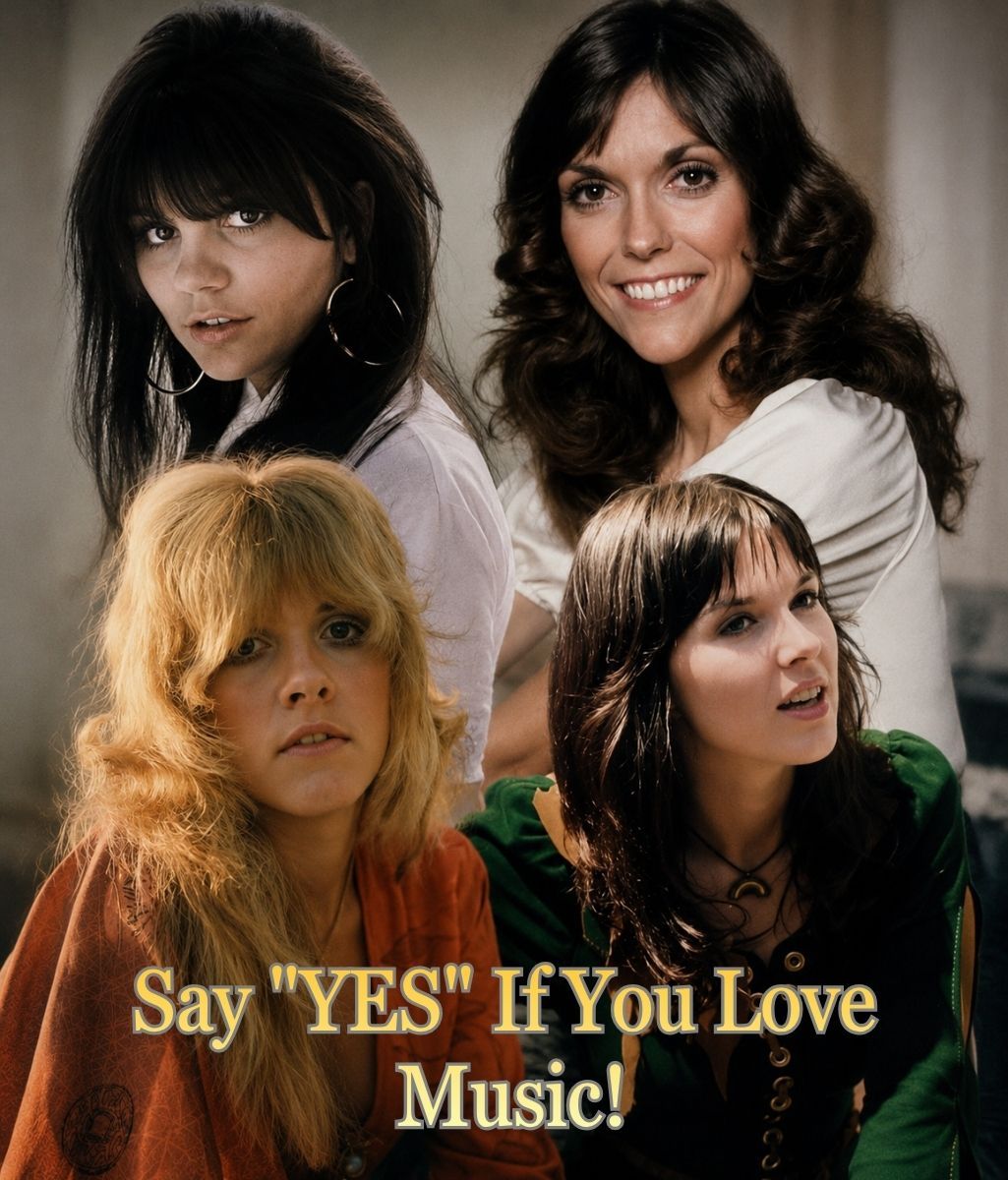
The 1970s produced some of the most unforgettable voices in music history. Linda Ronstadt, Karen Carpenter, Stevie Nicks, and Ann Wilson each created a sound so distinctive that generations of listeners can recognize them within seconds. Decades later, their recordings continue to prove that great voices never fade—they simply become part of our lives forever.
Some decades produce memorable songs. The 1970s produced voices that became timeless.
It was a remarkable era when radio stations carried an extraordinary variety of music, yet certain artists possessed something impossible to imitate. They didn’t simply sing melodies—they created emotional connections that continue to resonate with listeners across generations. Whether heard on an old vinyl record, a late-night radio broadcast, or a modern playlist, their voices still have the power to transport us back to another time.
Among the greatest of them were Linda Ronstadt, Karen Carpenter, Stevie Nicks, and Ann Wilson—four remarkable women whose careers followed very different paths, yet whose influence on popular music remains equally profound.
Linda Ronstadt possessed one of the most versatile voices of her generation. Few artists moved so effortlessly between country, rock, pop, folk, and heartfelt ballads while maintaining complete authenticity. Every performance reflected remarkable vocal control, emotional honesty, and an ability to make every lyric feel deeply personal. Whether delivering a tender love song or an energetic rock anthem, Ronstadt sang with a passion that transcended musical boundaries and introduced countless listeners to genres they might never have explored otherwise.
Then there was Karen Carpenter, whose voice remains one of the most recognizable in recording history. Warm, intimate, and instantly comforting, she had a rare ability to communicate profound emotion through extraordinary simplicity. She never needed elaborate vocal flourishes to leave a lasting impression. A single phrase, sung with her unmistakable richness and sincerity, could awaken memories of childhood, family gatherings, first loves, or quiet evenings spent listening to the radio. Decades later, her recordings continue to offer the same comfort they always have.
Stevie Nicks brought something entirely different. Her voice carried mystery, vulnerability, strength, and unmistakable individuality. Every performance felt like an invitation into a deeply personal world where poetry and music blended together naturally. Whether performing with Fleetwood Mac or as a solo artist, she created an identity unlike anyone else in popular music. Her unique vocal style, combined with deeply emotional songwriting, inspired generations of artists who admired not only her talent but also her fearless commitment to remaining authentically herself.
Completing this extraordinary quartet is Ann Wilson, whose remarkable vocal power forever changed expectations of women in rock music. As the lead singer of Heart, she demonstrated that technical brilliance and emotional depth could exist side by side. Her soaring vocals could effortlessly fill an arena while still conveying extraordinary warmth and vulnerability. Songs that demanded immense strength never lost their emotional connection because Wilson understood that true power in music comes not simply from volume but from sincerity.
What makes these four women so extraordinary is not that they sounded alike. In fact, they represented completely different artistic identities. Linda Ronstadt embraced remarkable versatility. Karen Carpenter mastered quiet emotional intimacy. Stevie Nicks created an unmistakable artistic world entirely her own. Ann Wilson redefined what a rock vocalist could achieve. Each followed a different path, yet every one of them left an unforgettable mark on music history.
Looking back today, their influence extends far beyond album sales, awards, or chart success. Their voices continue to inspire young musicians, shape modern performances, and remind listeners why the music of the 1970s remains one of the richest creative periods in popular culture. Every generation discovers these remarkable recordings and realizes that genuine artistry never loses its ability to move the human heart.
Perhaps that is why choosing between them feels almost impossible. How does someone compare four artists who each changed music in completely different ways? Every fan brings personal memories to the question. One voice may recall a first dance, another a family road trip, another a childhood home where records played all afternoon, and another the soundtrack of life’s most unforgettable moments.
That is the magic of truly timeless music. It becomes part of our own stories.
So now we’d love to hear from you.
If you could keep only one voice from the 1970s forever, who would you choose—and why?
Share your answer in the comments, then click the link to revisit the unforgettable songs that made these legendary women icons of their generation. And if the golden age of music still feels like home, follow our page for more timeless stories, rare photographs, and conversations with fellow music lovers who believe that the greatest voices never grow old.